





A car owner's journey is never simple; it involves way too many tasks, especially when it comes to insurance. For instance, they need first to find a reputable & trusted insurance partner, select an optimal insurance plan, renew the policy without fail, file a claim when needed, switch providers if required, and have the policy transferred if selling the vehicle. All these tasks are not straightforward and require preparation and planning. For instance, when filing a claim, a policyholder needs to submit a given set of documents, including
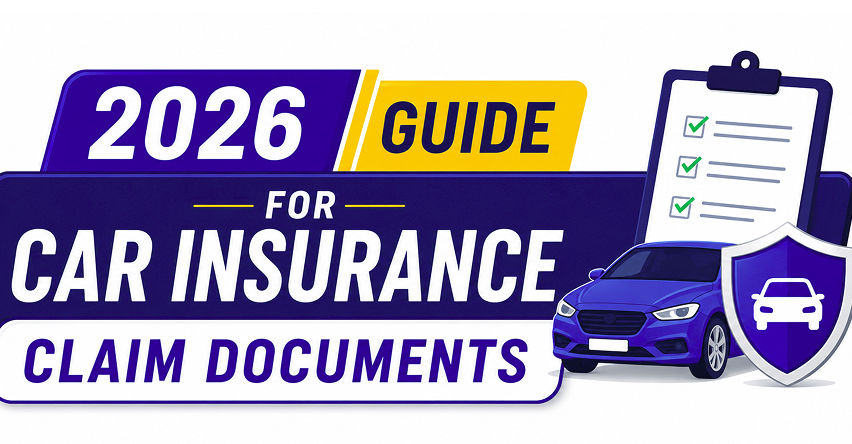
- Vehicle’s OR/CR
- Driver’s licence
- Insurance policy
- Photo of the damage & incident scene
- Police report
- Repair estimate
The above list fails to mention an essential requirement, i.e., a notarised affidavit. Many insurance providers require policyholders to submit a sworn statement to verify the details of the incident, a need that this affidavit fulfils. It helps the insurer confirm the facts of the incident, enabling the claim to proceed smoothly.
In this article, we’ll discuss car insurance claims and notarised affidavits in detail. So that the next time you file a claim, everything is sorted.
Let’s get started by understanding a little about car insurance claims and the notarised affidavit.
Also Read: Filing a car insurance claim: Key coverage you’ll need after an accident
Filing an insurance claim: What a car owner should know
In the Philippines, every car owner with an insurance policy must meet specific conditions when filing a claim, whether under CTPL or comprehensive insurance. This includes meeting the deadlines, submitting all the documents, and providing accurate information.
Common reasons for filing a claim
- A policyholder usually files a claim due to any of the following issues -
- Road accident
- Collision (animal or another vehicle)
- Natural disaster (flood, earthquake, volcanic eruption, landslide)
- Hit-and-run
- Theft
- Vandalism, riot, and strike
- Fire
Also Read: Top 8 defensive driving tips for Filipino drivers to stay safe and save on insurance
Notarised Affidavit: Meaning, types, requirements
What is a notarised affidavit?
It is a written statement of facts, signed and sworn before a notary public. It legally confirms that everything stated is true.
 Photo from Freepik
Why do insurance providers require a notarised affidavit?
Insurance providers demand submission of a notarised affidavit to -
- Establish clear accountability
- Verify the accuracy of your statements
- Prevent fraud
- Validate claims without a police report
Types of notarised affidavits used in a car insurance claim
- Affidavit of Loss
- Affidavit of Accident
- Affidavit of Damage to Vehicle
- Affidavit of No Police Report
- Affidavit of No Driver’s License
When is it required?
Did you know that not all car insurance claims require an affidavit, but many cases do. Let us discuss a few such cases -
Claim concerning Theft & Hit-and-Run: If your car or any of its parts were stolen or the vehicle got damaged in a hit-and-run incident, the insurance provider might ask for an Affidavit of Loss or Affidavit of Accident.
Accident with no police report: If you and the other party agree not to file a police report, a notarised affidavit is essential, as it is the most trusted document about the accident/incident details and storyline.
Also Read: Dashcams and car insurance claims: What Filipino drivers need to know
Step-by-step guide to acquire a Notarised Affidavit
How do I get a notarised affidavit? Here’s the complete guide -
Step 1: Prepare your statement of facts
Write down the details of the incident, including the date & time, event sequence, damage, and location. Try to keep the information short, simple, and honest. Also, make sure to be ready with essential details like -
- Driver’s license number and expiry date
- Driver & passengers name
- Vehicle owner’s name
- Vehicle information (body type, colour, plate number)
- Witness name and details
Step 2: Gather required documents
Typically, the following documents are needed for the provider -
- Valid government ID
- Car insurance policy
- Vehicle’s OR/CR
- Photos of the damage
Step 3: Head to a notary public
Time to head to the nearest notary public office, which is typically located near government offices and banks. Such offices are usually located in a law office, commercial building, municipal hall, or city hall.
At the notary's office, you’ll be asked to present a valid ID. Make sure to carry a photocopy of the documents.
Step 4: Sign the affidavit
At the notary's office, you’ll be asked questions and other details about the incident. Once the affidavit is prepared, you’ll be asked to confirm by signing the paper. Following this, the transaction details will be recorded in the logbook, and you’ll be responsible for countersigning the entry.
Step 5: Make the required payment
The fee for the affidavit varies from notary to notary. It typically ranges from PHP 150 to PHP 500. This price usually depends on factors such as the complexity of the case, the type of affidavit, and the city of residence.
Step 6: Collect your Notarised Affidavit
Once the payment is made, your affidavit will be signed and stamped - ready to submit to your car insurance provider to initiate the claim process. It is suggested to make multiple copies of the affidavit for record and personal reference.
|
Tip: Do not miss including the following information in the affidavit
|
Also Read: Personal Accident Coverage for riders in the Philippines: Why it matters
 Photo from Freepik
Submission of Notarised Affidavit
How to submit the notarised affidavit to your provider? This can be done in person or online. Let us explain this in detail -
- In-person: Visit the insurance provider’s nearest branch and head to the claim department to submit the affidavit.
- Online: Many providers now accept emailed or scanned copies of the affidavit.
Tips to speed up the claim process
- Provide complete information; do not miss out on any detail.
- Prepare all documents in advance and keep both a hard copy and a digital copy.
- Follow the insurer's deadline strictly.
- Cooperate fully with the adjuster; ensure you respond to all calls and messages promptly.
Bottom line
We have said this before, and we repeat: filing a car insurance claim need not be stressful. With the proper knowledge and a clear understanding of the process & requirements, a policyholder can handle all claim-related tasks more efficiently and cost-effectively. If you want to speed up the claim process, then start by preparing accurate documents, staying honest, and avoiding common mistakes. Just follow the given instructions, and you’ll be out with the settlement amount in no time.
Also Read: Thinking of insuring your old car in the Philippines? Here's all you need to know
FAQs
Q1. Is a notarised affidavit always required while filing a car insurance claim?
Ans. No, a notarised affidavit is not always required. It is primarily needed when damage is caused by theft or when a police report is not obtained.
Q2. Where can I get a notarised affidavit?
Ans. You can get a notarised affidavit at any notary public office, city hall, or law firm.
Q3. How much does a notarised affidavit cost?
Ans. A notarised affidavit typically costs PHP 150 to 500, depending on several factors.
Q4. What documents are required to procure a notarised affidavit?
Ans. Typically, the requirements include a valid ID, OR/CR, photo, and insurance policy.
Q5. Can I submit a digital copy of the affidavit?
Ans. Yes, most insurance providers now accept scanned documents sent online.
Q6. How long does it take to notarise a document?
Ans. It hardly takes 5 to 10 minutes.
Q7. Is an affidavit required in case of minor scratches?
Ans. No, not usually, unless circumstances demand explanation.
Q8. What if I lie in my affidavit?
Ans. Lying in the affidavit might result in legal consequences and denial of the claim.
Also Read: Credit score and car insurance: What every driver should know