




Buying a new car is exciting, but figuring out insurance can be tricky and, at times, overwhelming. If you are buying your first car in 2026 and have little to no understanding of how insurance works, you are not alone. Many like you are struggling with unfamiliar terms, legal requirements, and coverage options.
We have created this guide to help you. Here, we have broken down everything you need to know about car insurance requirments & more in a simple, easy-to-understand format. By the end of the blog, you’ll be clear on what insurance you must have, coverage to consider, and costly mistakes to avoid in 2026.
Car insurance in 2026
Do you still need car insurance in 2026?
Of course, car insurance is designed to protect you, your car, and others on the road. As a new driver, you need car insurance for both legal compliance and financial protection. Without insurance cover, even a minor accident or collision can cost you thousands of pesos.
Insurance rules and regulations continue to evolve due to factors such as rising repair costs, the introduction of advanced vehicles (EVs & hybrids), and increased traffic. All this makes understanding car insurance and its requirements more essential than ever.
Also Read: What is car insurance, and why does every Filipino driver need car insurance
Mandatory nature of car insurance
Car insurance is required and cannot be skipped, as accidents can happen even to careful drivers in the most protected environments. The government requires you to get car insurance to ensure the following -
- Road accident victims receive compensation
- Medical bills are paid and taken care of
- Property damage is covered
- Roads stay safe, and drivers drive responsibly
Consequences of driving without insurance
Driving without insurance can result in several consequences, such as -
- Fines
- License suspension
- Vehicle impoundment
- Legal trouble
Also Read: Driving without car insurance in the Philippines: 8 alarming consequences you must know
CTPL basics: What every driver must know
What is CTPL insurance?
CTPL stands for Compulsory Third Party Liability. It is the minimum insurance requirement by law in the country.
What does CTPL insurance cover?
CTPL insurance pays for the following -
- Injuries to people involved in an accident
- Damage to another person’s property
- Legal cost, if you are at fault in an accident
CTPL insurance ensures accident victims are protected, even when the at-fault driver cannot pay damages out of pocket.
What CTPL insurance does not cover?
CTPL insurance does not cover -
- Damages to your own car
- Your medical and hospital bills
- Damages due to theft, vandalism, and natural disasters
For this reason, CTPL insurance is typically insufficient for new drivers.
Also Read: CTPL vs. Comprehensive Car Insurance: What’s the Difference?
Car insurance requirements for new drivers in 2026
 Photo from Freepik
It is essential for new drivers to understand the legal aspects of driving and the insurance requirements for 2026 to avoid penalties and remain compliant.
Legal requirements
New drivers must have the following -
- An active CTPL insurance policy
- Proof of insurance in the vehicle
- A valid driver’s license
Failure to meet the above requirements may result in penalties, including heavy fines.
Insurance requirements for financed and leased cars
Financed car insurance requirements
If your vehicle is financed, then the lender would often require you to get -
- Collision coverage
- Comprehensive coverage
- Acts of Nature coverage
Why? The above-mentioned coverages will protect the lender’s investment until the loan is fully repaid.
Leased car insurance requirements
If your car is leased, then here are the insurance requirements to consider -
- Higher liability limits
- Lower deductibles
- Continuous coverage
Note: missing payments or policy cancellations can violate your most recent agreement; therefore, ensure everything is in order.
Coverage options for new drivers (explained simply)
Third-Party Liability
It covers injuries or death you cause to others. This is the foundation of all car insurance policies.
Own Damage coverage
It pays for damages (repair and replacement) to your car after an accident, regardless of who is at fault.
Comprehensive Coverage
Offers extensive coverage to your car and you, beyond CTPL insurance. It covers losses from theft, fire, flood, and falling objects.
Personal Accident (PA) Coverage
PA insurance helps cover the medical bills of drivers and passengers, as well as disability and death benefits.
Also Read: How to get car insurance in the Philippines: A step-by-step guide
Other optional add-ons worth considering
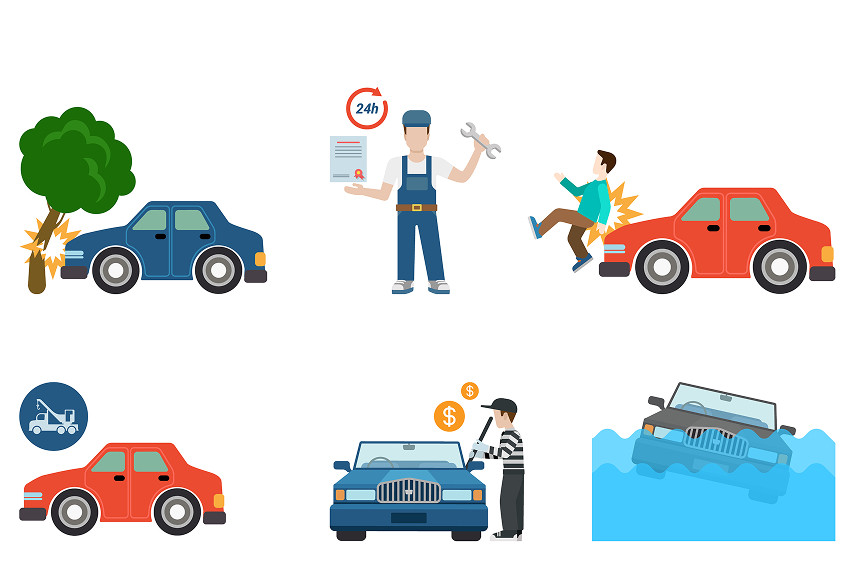 Photo from Freepik
Roadside Assistance
It provides 24/7 support for towing, battery jump-start, flat tyre replacement, and fuel delivery.
Acts of God/Nature
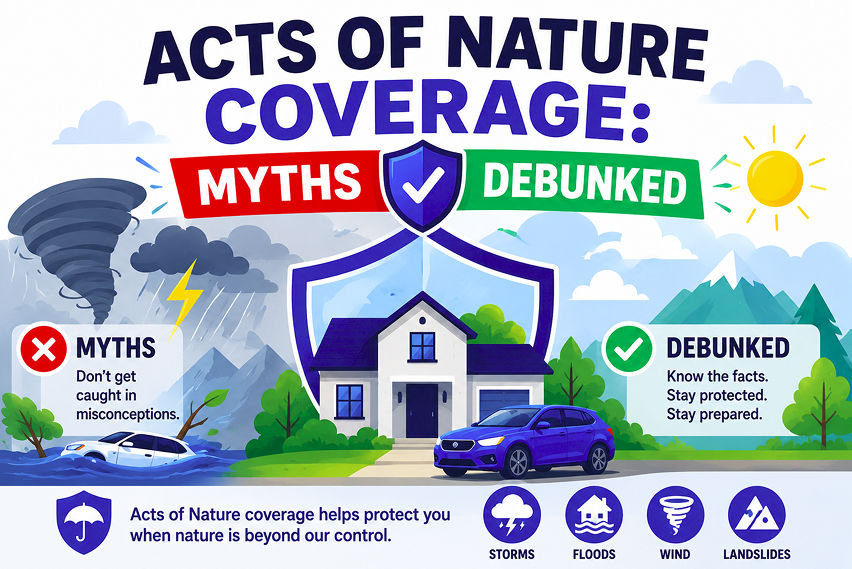
This add-on covers damage caused by natural disasters, like typhoons, floods, earthquakes, landslides, and volcanic eruptions.
Riots, Strikes and Civil Commotion (RSCC)
It covers you against damage from public disorders and malicious acts.
Loss of Use
It reimburses you for transportation expenses or provides a daily allowance while the vehicle is under repair following a covered accident.
Accessories Coverage
It covers non-factory-fitted accessories in the event of an accident, which a standard policy doesn’t.
GAP Insurance
It covers the difference between a car’s depreciated market value and the remaining balance of the loan if the vehicle is declared a total loss or stolen.
While optional, add-ons offer peace of mind.
Also Read: First-time car owners: What type of insurance do you need?
How car insurance costs are calculated for new drivers
When insurance companies determine premiums for new drivers, age, licensing status, and other factors play a significant role. For first-time car owners, insurance costs can be one of the most confusing parts of the process.
How does age affect insurance costs for new drivers?
In 2026, new drivers - especially those under 25 - usually pay a higher premium. It is not because providers consider young drivers irresponsible, but because of the following statistics -
- Young drivers have less experience.
- Young drivers are more likely to be involved in an accident.
- Young drivers take more risks on the road.
On the contrary, older first-time drivers (in their 30s or 40s) may pay higher premiums than experienced drivers. Still, often less than younger drivers - that’s because they are usually considered more mature & cautious.
How does a new driver's license affect the premium?
Your license status matters significantly for car insurance premiums and coverage limits. Companies assess the following.
- Does the applicant hold a Student Permit, Non-Professional Driver’s License, or Professional Driver’s License?
- How long have you been licensed?
- Have you completed a certified driving course?
Let us discuss each separately -
Type of license: Drivers with a Student Permit are typically considered higher risk, which can increase insurance costs or limit coverage options. Once upgraded to a Non-Professional or Professional license, your insurance options will improve.
Length of time licensed: Newly licensed individuals are considered inexperienced by insurance providers. This means your insurance costs will gradually decline as you gain driving experience and maintain a clean driving record.
Driving course: The chances of insurers offering discounts to new drivers increase if they have attended a road safety workshop, taken a defensive driving course, or completed an approved driver education program.
How does a new driver’s driving education and record affect the premium?
As a new driver, your driving education and record (in the long term) affect your premium. Let’s see how -
Driving course: The chances of insurers offering discounts to new drivers increase if they have attended a road safety workshop, taken a defensive driving course, or completed an approved driver education program.
Driving record: As a new driver, your driving record starts clean, but it doesn’t stay that way forever. Even a single traffic violation early on can significantly increase your premium; safe driving for the first few years is the best way to lower your insurance cost.
Common pitfalls new drivers should avoid
Many first-time drivers make these mistakes that cost them money and stress in the long run -
- Choosing a cheap policy
- Not understanding policy deductibles
- Ignoring policy exclusions
- Providing incomplete or incorrect information
- Letting coverage lapse
Also Read: How to compare car insurance quotes like a pro in the Philippines
Tips to save money on car insurance
You can easily reduce your insurance cost by following these practical tips -
- Bundling your insurance policies.
- Maintaining a clean driving record.
- Taking a driving safety course.
- Comparing multiple providers.
- Choosing higher deductibles.
Bottom line
For new drivers, understanding car insurance requirements is important, and the process doesn’t have to be complicated. With the right understanding, new drivers can choose coverage that meets legal requirements, protects their finances, and gives them confidence on the road. Here are a few takeaways: start with CTPL, consider additional coverages carefully, and review your policy regularly.
Also Read: Top 20 car insurance terms: A simple guide to understand your policy
FAQs
Q1. Is there a minimum car insurance requirement for a Filipino driver?
Ans. CTPL insurance is the minimum coverage requirement in the Philippines.
Q2. Can I drive a car without insurance if my car is registered?
Ans. No. Vehicle registration does not replace insurance coverage.
Q3. Do I need full coverage for my ten-year-old car?
Ans. It depends on your car’s value, location, and your budget.
Q4. What happens if my insurance expires?
Ans. The consequences include a fine, penalty, license suspension, and higher future premiums.
Q5. Can students get cheaper insurance premiums?
Ans. Individuals with student permits and limited driving experience often face higher premiums.
Q6. How often should I review my insurance policy?
Ans. It is recommended that you review your policy at least once a year, or after a significant life change.
Q7. Is CTPL insurance enough for daily driving?
Ans. Usually not, CTPL insurance does not cover your own damages.