




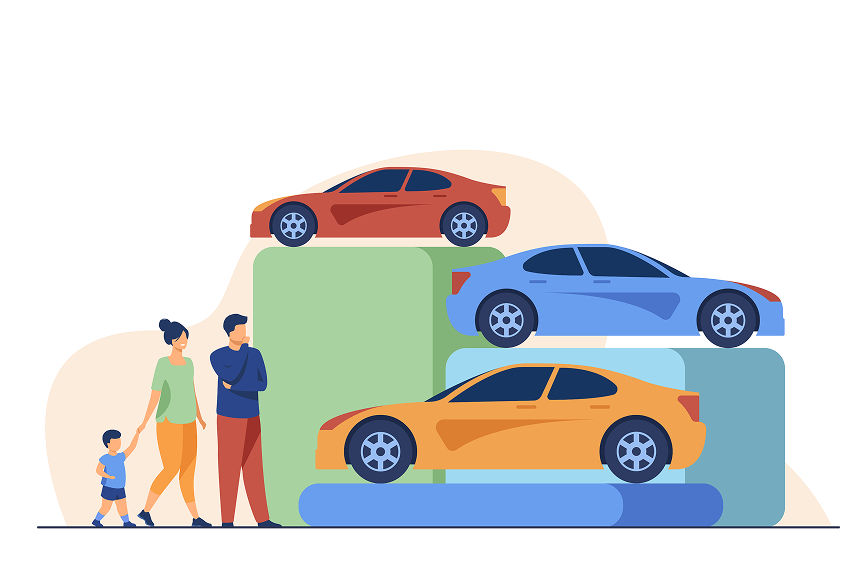
If you’ve ever compared notes with a friend and wondered, “Wait, why is your insurance cheaper than mine? We drive the same car!” - you are not alone.
Many Filipino car owners ask this exact question: Why do two drivers with the same car pay different premiums?
It sure feels unfair at first. Same model, same year, same engine - so, why the difference in premiums?
Well, here’s the truth: car insurance isn’t just about the car - it’s about you. Insurance companies look at risk, and risk is personal.
Let’s break it down in simple terms.
How car insurance premiums work
Before we dive deep into ‘Why two drivers with the same car pay different premiums’, we need to understand how premiums are calculated in the first place.
What is a car insurance premium?
A car insurance premium is the amount you pay your insurer to keep your policy active. In the Philippines, this can be paid annually or through instalments.
Insurance companies don’t just pull numbers out of thin air; rather, they use data - lots of it - to calculate how much you will pay for the coverage.
The higher the perceived risk, the higher your premium. Simple as that.
How do providers measure risk?
Insurance providers use something called underwriting. The latter is basically a detailed evaluation of the following -
- Your driving history
- Your location
- Your vehicle usage
- Your claim history
- Your age & experience
They also rely on actuarial data - the statistical models that predict how likely certain drivers are to get into accidents.
So, even if two drivers own the same car, their personal risk profiles may look completely different. And that’s where pricing starts to change.
Also Read: Car Insurance 101 for New Drivers in 2026: Basics you can’t skip
Driver profile: The biggest game-changer
 Photo from Freepik
This is usually the number one reason behind ‘why two drivers with the same car have different premiums’.
Age & driving experience
Young drivers - especially those under 25 - are statistically more likely to get into accidents.
Insurance providers are aware of this fact.
For instance, a 22-year-old new driver with a brand-new sedan will almost always pay more than a 40-year-old with 15 years of clean driving experience.
Experience matters. It signals low risk.
Driving record & traffic violations
Got a history of -
- Traffic violations?
- Reckless driving?
- Previous insurance claims?
This record will always follow you. Drivers with multiple claims are considered high-risk. Even one at-fault accident can increase your premium at renewal.
Meanwhile, someone with a clean record might enjoy a lower rate - even if they drive the same vehicle.
Also Read: Car Insurance 101 for New Drivers in 2026: Basics you can’t skip
Location matters more than you think
Where you live and where you park your car play a huge role in determining your premium.
Urban vs. provincial rates
High traffic congestion increases accident probability. More cars = More risk.
Meanwhile, someone living in a quieter provincial area may pay less because there’s statistically lower accident frequency.
Flood-prone & high-risk areas
Let’s be real - flooding is a serious concern in the Philippines.
If your address is in a flood-prone zone, insurers may charge more for comprehensive coverage with Acts of Nature protection. Why? That’s because the chance of filing a flood damage claim is higher.
That’s another big reason why two drivers with the same car pay different premiums.
Vehicle usage & driving habits
Two cars may have different usage patterns, which changes everything.
Personal use vs. business use
Using a car for -
- Grab?
- Delivery services?
- Daily long commutes?
Commercial or heavy usage increases wear and accident exposure.
If your friend only uses their car on weekends while you drive 5 days a week in EDSA traffic, you are considered a higher risk.
Annual mileage & risk exposure
More kilometres driven = higher probability of accidents.
Insurance providers often ask about estimated annual mileage because road exposure directly affects claim likelihood.
Also Read: What is car insurance, and why does every Filipino driver need car insurance
Coverage choices & policy add-ons
 Photo from Freepik
Here’s something many drivers overlook.
You and your neighbour might not have the same coverage - even if you think so.
Comprehensive vs. Third-party coverage
Third-party coverage only covers damages (injuries or death) to others. Comprehensive coverage covers theft, collision, fire, and vandalism.
Naturally, comprehensive policies cost more.
Optional add-ons & riders
Add-ons may include -
- Acts of Nature
- Roadside assistance
- Personal accident coverage
- Loss of use benefits
More coverage = higher premium.
You may both drive the same SUV, but if one policy includes multiple riders, the premium will be higher.
Claim standing & payment behaviour
Some insurers factor in payment behaviour. For instance, if you choose instalment payments, service fees may apply. Paying annually upfront often costs less overall.
Claim history & No-claim discounts
Here’s where safe driving wins big.
Understanding No-Claim Bonus (NCB)
Many insurers offer No-Claim Bonus (NCB). What’s that? If you don’t file claims for a year, you may receive NCB discounts at renewal.
That’s why someone with the same car - but no claims for three straight years - could pay significantly less than someone who filed two claims last year.
Insurance provider differences
Not all insurers price risk (coverage) the same way. Different insurers have different underwriting models.
For example, some insurers may specialise in urban drivers, while others offer better rates for car owners in provincial areas.
It’s always smart to compare quotes from multiple insurers.
Also Read: 2026 Guide to car insurance renewal: Coverage, tips, & costs
Tips for Filipino drivers to lower their premiums
 Photo from Freepik
Good news - you are not powerless; with smart shopping hacks and defensive driving, you can minimise your premium.
Smart shopping & policy comparison
- Compare at least 3 to 4 quotes
- Review coverage carefully
- Ask about available discounts
- Check NCB eligibility
Defensive driving & risk reduction
Safe driving = fewer claims = lower premiums
Simple driving safe driving hacks -
- Avoiding sudden lane changes
- Following traffic rules
- Parking in secure areas
Follow all this and enjoy the long-term differences.
Bottom line
Two drivers with the same car often pay different premiums. No, it is not random, and it’s not personal. Rather, insurance companies price risk, and risk is personal.
Driver’s age, driving record, location, claim history, and even how often you drive - all play a role in determining your premium.
The good news? You have control over many factors. Drive safely, compare quotes, avoid making unnecessary claims and maintain a clean record.
Over time, these smart decisions can significantly reduce your premium.
Also Read: Car insurance expired? Act fast before you drive again in 2026
FAQs
Q1. Why do younger drivers pay more for insurance?
Ans. Young drivers pay a higher premium because statistics show they are more likely to be involved in accidents.
Q2. Does my address really affect my premium?
Ans. Yes, living in high-risk areas, such as flood-prone areas, often leads to higher premiums.
Q3. Is it possible to negotiate an insurance premium?
Ans. Yes, you can ask for discounts, but the premium is usually risk-based.
Q4. Does car colour affect insurance premiums?
Ans. No, colour doesn't usually impact insurance rates in the Philippines.
Q5. Will filing one claim increase the premium?
Ans. It can, especially if you were at fault.
Q6. Why is my friend’s premium cheaper even though they have the same car model?
Ans. Your friends' risk profile (age, record, location, usage) may be lower.
Also Read: Downgrading your car insurance coverage: Smart scenarios when it actually makes sense