





For many Filipino drivers, car insurance is a must-have. It protects your vehicle, your finances, and your peace of mind. But here's the big question: Can you downgrade your car insurance coverage, and will doing so make sense?
Downgrading might sound risky at first. After all, more coverage feels safer, right? But there are situations where reducing your coverage can be a practical and smart financial decision - especially if you understand the risks and your current needs.
If you are confused about downgrading, we have created this guide that walks you through real-life scenarios and smart strategies to help you understand when downgrading is the right decision and how to proceed.
Without any delay, let us go about it …
Car insurance coverage: Understanding the basics
Before deciding anything, it’s important to know the types of car insurance available in the country.
Types of car insurance policies
There are two main types of coverage -
- CTPL (Compulsory Third Party Liability) insurance
- Comprehensive car insurance
CTPL insurance is required by law in the Philippines. According to the LTO (Land Transportation Office), every vehicle must have this coverage before it is registered. It covers injury or death of a third party if you are involved in an accident.
Comprehensive insurance, on the other hand, is optional but highly recommended for all car owners, as it offers broad protection. It typically includes -
- Own damage
- Theft
- Vandalism
- Acts of nature (flood, typhoon, earthquake)
- Third-party property damage
Given how common typhoons and flooding are in the Philippines, many car owners choose comprehensive coverage for added security.
In short, CTPL insurance offers limited coverage, so we need additional coverage for proper protection. But it all comes at a cost, and over time, some coverage stops making sense - it is here that downgrading makes sense, and only the latter can be eliminated (with caution).
Also Read: Car insurance expired? Act fast before you drive again in 2026
Comprehensive coverage: Why most Filipino car owners opt for it
Let’s be honest: driving in the Philippines can be a bit unpredictable, and as a driver, you need adequate protection against natural disasters, theft, and other risks. Let us discuss each in detail -
Protection against natural disasters
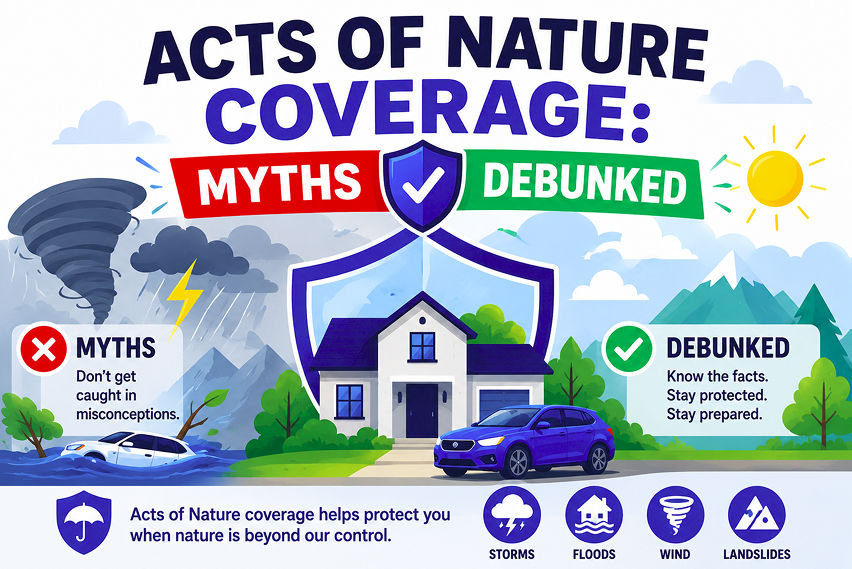
Typhoons like those that hit Metro Manila, Cebu, and Davao frequently cause severe flooding (poor drainage systems are also a major reason). Comprehensive insurance usually includes ‘Acts of Nature’ coverage, which is extremely valuable in flood-prone areas.
If not, you can always get it as an add-on.
Theft and vandalism protection
Car theft is a sad reality that still happens, especially in urban areas. Comprehensive insurance protects you from loss by offering financial aid.
Peace of mind on busy roads
Heavy traffic, narrow roads, and unpredictable drivers increase the risk of accidents. In such cases, comprehensive coverage gives you peace of mind against the risks of daily driving.
If comprehensive insurance is so essential, why would anyone consider downgrading?
Let’s explore …
Also Read: 2026 Guide to car insurance renewal: Coverage, tips, & costs
Signs that downgrading might be a smart move
 Photo from Freepik
Time to get to the heart of the matter: When downgrading your car insurance coverage actually makes sense.
Here are a few clear signs it might be time to downgrade.
Your car is already OLD
If your vehicle is over 7-10 years old, its market value has significantly decreased. For example, when the annual premium costs more than 10-15% of the car’s market value, you might need to ask yourself: Does this make financial sense?
If the car’s repair cost exceeds the car’s value, insurers may declare it a total loss. In such cases, downgrading could be a practical move.
The car’s market value dropped significantly
Your insurance premium is partly based on your car’s value. As depreciation increases, the benefits of comprehensive coverage decrease.
If the premium feels too high compared to your car’s worth, that’s a signal worth evaluating.
Rare usage of the vehicle
Some Filipino car owners now work from home or use their cars only on weekends. Less usage means lower risk.
So, if your vehicle stays parked in a secure garage, downgrading may reduce unnecessary expense.
You have a stable emergency fund
This one is important. If you have enough savings to pay for minor repairs, handle small accidents, and replace parts (when needed), then you may not need full coverage.
However, this requires strong financial discipline on your end.
Financial situations where downgrading makes sense
Life happens, and sometimes financial priorities shift, which might be well managed by downgrading. Let us check out a few such situations -
Temporary budget constraints
If you are facing difficult times due to a job transition, reduced income, or a business slowdown, temporarily downgrading may help free up cash flow.
Just make sure it’s part of a larger financial plan - not a panic decision.
Paying off other high-interest debts
Credit card debt in the Philippines often carries high interest rates, which can be burdensome. If cutting on insurance premiums helps you pay off high-interest loans faster, that could be a smarter financial strategy.
Preparing for major life expenses
Life expenses like buying a house, starting a business, or sending a child to college require substantial funds. In such cases, relocating funds (from premiums) strategically makes sense.
When you should not downgrade your insurance
Downgrading insurance isn’t always wise. Here are a few examples -
Living in flood-prone areas
If you live in flood-prone areas like Marikina, parts of Metro Manila, and low-lying provinces, then Acts of Nature coverage is a must. It won’t be wise to forgo this protective shield, as a single major flood can cost hundreds of thousands in repairs.
Frequent long-distance drives
Daily long commutes increase accident risk. If you drive extensively, comprehensive coverage remains highly valuable.
Owing a high-value vehicle
If your car is new or expensive, downgrading can be risky. The potential financial loss is too high.
Also Read: What is car insurance, and why does every Filipino driver need car insurance
How to downgrade the right way
 Photo from Freepik
If you decide to proceed with downgrading, we’d advise you to do it carefully.
Here is the step-by-step guide -
Review your policy coverage
Before moving forward, get a thorough understanding of the following -
- What are you currently paying for
- Deductibles
- Exclusions
Don’t downgrade unthinkingly; first note everything and then take a call.
Compare insurance providers
Different insurers offer competitive rates. You might find affordable comprehensive coverage instead of downgrading.
Talk to a licensed insurance agent
A professional can assess your risk profile and suggest smarter alternatives.
Also Read: Car Insurance 101 for New Drivers in 2026: Basics you can’t skip
Alternative options instead of downgrading
Before fully downgrading, consider the following -
Increasing deductibles: Higher deductibles lead to lower premiums. This keeps you and your car protected, reducing insurance costs.
Removing optional add-ons: Some add-ons may not be necessary. For example, roadside assistance, if you have already partnered with a third-party provider.
Switching to a more affordable provider: Competition in the Philippines insurance market is fierce. Shopping around may save you some money.
Also Read: Thinking of switching insurance? Here’s the good & bad
Cost comparison: CTPL vs. Comprehensive
|
Coverage type |
Est. annual cost |
Protection level |
|
CTPL |
PHP 560 - PHP 1,500 |
Basic |
|
Comprehensive |
PHP 1,500 to PHP 25,000+ |
Extensive |
The cost difference is pretty significant, which explains why some policyholders consider downgrading.
Pros & cons of downgrading
Pros-
- Low annual premium
- Improved cash flow
- Flexible financial planning
Cons-
- Higher financial risk
- No protection against theft or disasters
- Potential large out-of-pocket expense
Also Read: Car Insurance 101 for New Drivers in 2026: Basics you can’t skip
Bottom line
So, when does downgrading your coverage make sense?
It all makes sense when -
- Your car has significantly depreciated
- You rarely use your vehicle
- You have a strong emergency fund
- You are managing temporary constraints
However, it does not make sense if you -
- Live in flood-prone areas
- Drive frequently
- Own a high-value vehicle
At the end of the day, the decision isn’t about fear - it is about smart financial planning. You must evaluate your risks, make an informed choice, and know your financial capacity.
Remember, car insurance isn’t just an expense; it’s essential protection. And sometimes, the smartest move is adjusting the coverage to match the life stage.
Also Read: Smart parking habits that protect your car (and your policy)
FAQ
Q1. Is it legal to downgrade to CTPL coverage?
Ans. CTPL insurance in the Philippines is the minimum legal requirement. So, you can downgrade to CTPL.
Q2. Will I save a lot of money by downgrading?
Ans. Yes, but savings come with higher financial risk.
Q3. Can I upgrade again later?
Ans. Yes, you can apply for comprehensive insurance again.
Q4. Does comprehensive insurance cover flooding?
Ans. Yes, but only if the comprehensive coverage includes Acts of God coverage.
Q5. Is downgrading coverage recommended for new cars?
Ans. No, downgrading is generally not advisable for new cars.
Q6. What if I still have an ongoing car loan?
Ans. For an ongoing loan, most banks require comprehensive coverage, making downgrading difficult.
Q7. Can I partially downgrade?
Ans. Yes, you can do so by either adjusting deductibles or removing add-ons.
Q8. Should I talk to an agent before deciding to downgrade?
Ans. Absolutely, professional advice is highly recommended.
Q9. Does CTPL cover car owners’/drivers’ injuries?
Ans. No, it only covers third-party injuries or death.
Q10. How do I know my car’s current market value?
Ans. You can check online/offline resale listings or consult a dealer.
Also Read: Riding to work every day? This motorcycle insurance has you covered