




Renting a car is both convenient and exciting, whether for a Filipino wanting to explore new terrains or a foreign tourist eager to escape the crowded public transportation network. But wait, before you sign a rental agreement with a provider, make sure to ask about insurance.
It is a perennial dilemma for rental car users: whether to get rental car insurance or skip it entirely?
If you're considering skipping rental car insurance, we’d advise you to read this blog thoroughly. Why do we say so? That’s because your one wrong move today can cost you thousands of pesos later.
This guide is primarily for individuals who want to rent a car but are confused about insurance. Here, everything is broken down in the simplest way possible, so that by the end of it, you can make the best decision, avoid costs, and have a stress-free drive.
Rental car insurance: Understanding the local version
In the Philippines, rental car insurance works differently compared to other countries. The thing is, most renters assume they are fully protected or that they are entirely safe on the road - misunderstandings like these often lead to expensive surprises.
How is rental car insurance helpful?
Rental car insurance is quite helpful, as it provides coverage against the following uncertainties -
- Damage to the rental vehicle
- Third-party liability (limited)
- Vehicle theft
- Medical expenses (a few, depending on the coverage)
Note: Coverage offered varies widely depending on the rental provider and the package you pick.
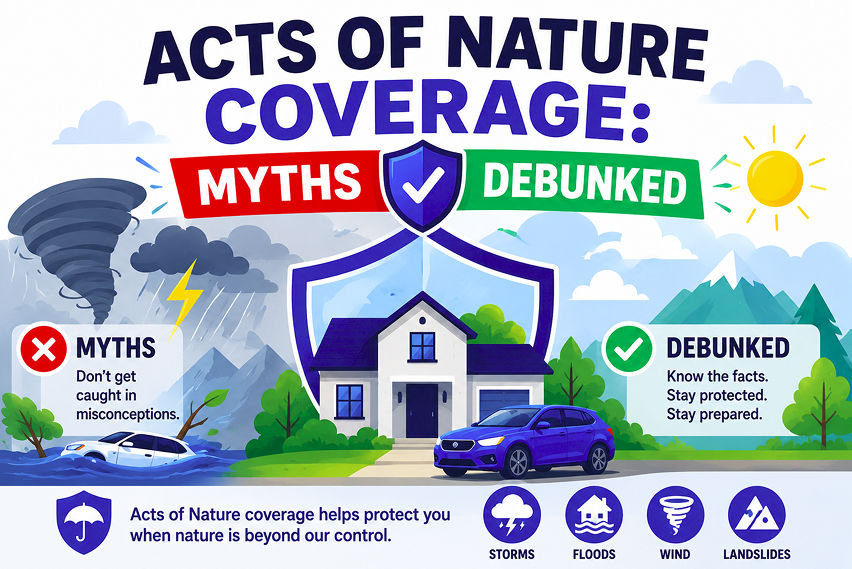
Also Read: Top 5 myths about Acts of God insurance coverage (Busted!)
What is not covered?
It is equally important to know what is not covered under a rental car insurance package. Most insurance plans exclude the following -
- Full damage protection
- Flood damage
- Driving under the influence or on unapproved roads
- Damage to tyres, windows, or undercarriage
- Speeding or other acts of negligence
Reasons why Filipinos & tourists skip rental car insurance
 Photo from Freepik
People find skipping car insurance quite tempting for the following reasons -
To save money
One of the most common reasons to skip insurance is to save money, as an insurance plan usually adds PHP 300 or more to the rental expense. This amount might be small, but on long trips, it adds up fast and hurts the pocket.
Overconfidence about their driving skills
Many people drive too confidently; their experience and clean track record make them believe they cannot harm themselves. But unfortunately, that’s not always the case, as accidents aren’t always your fault alone.
Lack of clarity
Often, rental car companies are short-staffed and don't provide enough or clear information about insurance. Thus, leaving renters confused and/or misinformed.
Assumption of credit card coverage
Another growing reason for renters not opting for insurance is the availability of credit card coverage. This rental insurance offered by card companies has several issues, including -
- Complicated claim process
- Coverage may be limited or restricted
Why skipping rental car insurance is not a good idea
Before you decide to skip rental car insurance altogether, you must understand the real-world risks. Here is a list of Philippines-specific risks you are exposed to and can protect against with insurance.
Unpredictable traffic conditions
Motorcyclists, pedestrians, and other drivers can be unpredictable, leading to accidents and collisions.
- Pedestrians crossing the road randomly
- Jeepneys & motorcycles stopping without warning
- Poorly maintained and marked roads
High accident cost
If you dare to skip insurance, you’ll end up shouldering the following expenses -
- Full repair costs
- Towing charges
- Administrative fees
- Loss of use cost (while the car is at the service centre)
Financing high flood damage
Flooding is a common problem in the Philippines, especially during the rainy season. And the damage it does to a car is immense and expensive to repair. Many insurance plans do not cover flood damage unless it is explicitly included, so if you are travelling to a flood-prone area, make sure to get it.
Also Read: Must-have add-ons for 2026: What you shouldn’t miss
Accident without insurance: Here are the consequences
 Photo from Freepik
This one is possibly the worst scenario possible due to the following reasons -
Immediate financial responsibility: Without insurance coverage, you might end up paying cash on the spot, allowing the rental company to charge your credit card, and be forced to leave the security deposit.
Legal issues: In case the rental car accident involves a third party, a police complaint might be filed, leaving you liable for the damages and injuries. All this might delay or hamper your trip.
Stress & delays: Instead of enjoying the trip, the accident might push you to take on tasks like making endless calls, negotiating with the involved parties, and filing a report.
Common types of rental car insurance
|
Collision Damage Waiver (CDW) |
|
|
Third Party Liability |
|
|
Super Collision Damage Waiver |
|
|
Loss Damage Waiver (LDW) |
|
Also Read: New year, new coverage: Rethink your car insurance with Zen Insure
Rental car insurance: Is it worth it?
For most individuals renting a car, this insurance is totally worth it, especially if they are -
- Unfamiliar with the local roads
- Driving in or via Metro Manila
- Travelling during the monsoon
- Want to enjoy a stress-free time
Tip: The small daily cost of insurance might save you from a massive financial headache.
Practical advice to follow before renting a car
Tip 1: Read the fine print; check for coverage, exclusion, and participation fee.
Tip 2: Before driving away, make sure to take photos and videos from multiple angles (in clear lighting). Make sure to document all existing bumps and scratches. Doing so will protect you from false claims.
Tip 3: Make sure to ask about flood coverage, as it is critical to the Philippines environment.
Also Read: Must-have add-ons for 2026: What you shouldn’t miss
Renting guidelines for tourists & locals
If you are a tourist, make sure to do the following -
- Familiarise yourself with the local traffic laws
- Get clarity on left- and right-hand driving situations
- Try to minimise the language barrier
If you are renting locally, keep the following things in mind -
- The rental car is not yours
- Repair costs are charged at commercial rates
- Rental companies are quite strict
Bottom line
Sure, renting a car gives you freedom, but it comes with responsibility. To many, skipping insurance seems like an easy option with perks like saving money, but in reality, the risks outweigh the savings.
If you are considering skipping rental car insurance, read the blog mentioned above thoroughly. Furthermore, it is a fact that an unexpected incident can turn a great trip into a costly lesson. With the right insurance package by your side, you’ll be able to -
- Enjoy peace of mind
- Get financial protection
- Have a fun trip
Also Read: Telematics & usage-based car insurance in the Philippines: Should you try it in 2026?
FAQs
Q1. Is it mandatory to get insurance for my rented car?
Ans. Basic third-party liability is mandatory for all vehicles, but additional insurance is optional.
Q2. I am going on a long road trip. Should I get insurance?
Ans. Yes. Long trips increase exposure to risks such as accidents, collisions, bad weather & road conditions.
Q3. Can I get insurance after picking up the rental car?
Ans. Most car rental companies require insurance selection before or at the time of pickup.
Q4. What if the rented car gets damaged due to my fault?
Ans. Any damage, small or significant, requires repair or replacement. Car rental insurance usually covers damages, even if the damage was your fault. However, the coverage depends on the policy type.