





Times have changed, and so has the way we drive and insure our cars. For instance, prospective car buyers now look for advanced connectivity and safety features; also, options have expanded beyond traditional cars to include EVs. As for insurance, it has expanded beyond offline channels to digital platforms. Furthermore, in response to the need of the hour, providers are now offering car owners greater control over their policies, thanks to telematics & usage-based car insurance.
If you want to know more about telematics and usage-based car insurance, then this is the right place. Here, we’ll discuss the meaning, how it works, pros & cons, beneficiaries, and tips for getting the most from a telematics policy.
So, let’s begin …
Telematics and usage-based car insurance: Understanding the basics
Telematics and usage-based car insurance are changing how drivers pay for coverage. Instead of relying on factors like the car’s model & value and the driver’s age, location, & history, insurance providers now decide the premium based on how you actually drive. This particular approach feels more personal and, for many car owners, more fair.
In simple terms, telematics uses technology to collect driving data. Usage-based insurance then processes and uses this data to adjust your insurance premium. For Filipino drivers now facing traffic problems more than ever, along with rising insurance costs, this model is increasingly relevant.
What is telematics technology?
Before we discuss usage-based car insurance, let us first review telematics technology. This particular system combines GPS, onboard vehicle data and mobile networks. It tracks the owner’s driving behaviour (speed, travel distance & time, and braking). Once collected, the data is then sent to the provider for analysis.
What is usage-based car insurance?
Usage-based car insurance is a type of insurance in which the premium is based not on generic factors such as the car’s model, make, location, driver’s age, and past driving record, but on the policyholder's driving behaviour.
Meaning -
- If you drive safely and less often, you pay less for insurance
- If you drive aggressively or frequently during risky hours, you pay more for insurance
How do telematics and usage-based insurance work hand-in-hand?
It is pretty straightforward, actually. Telematics collect the driving data and provides (working under usage-based insurance) this data to calculate the risk and ultimately the premium. Together, the two help the car owner secure a personalised insurance plan based on their real-world driving, rather than averages.
Also Read: Need a notarised affidavit for your car insurance claim? Here’s the process
How usage-based insurance works in the Philippines
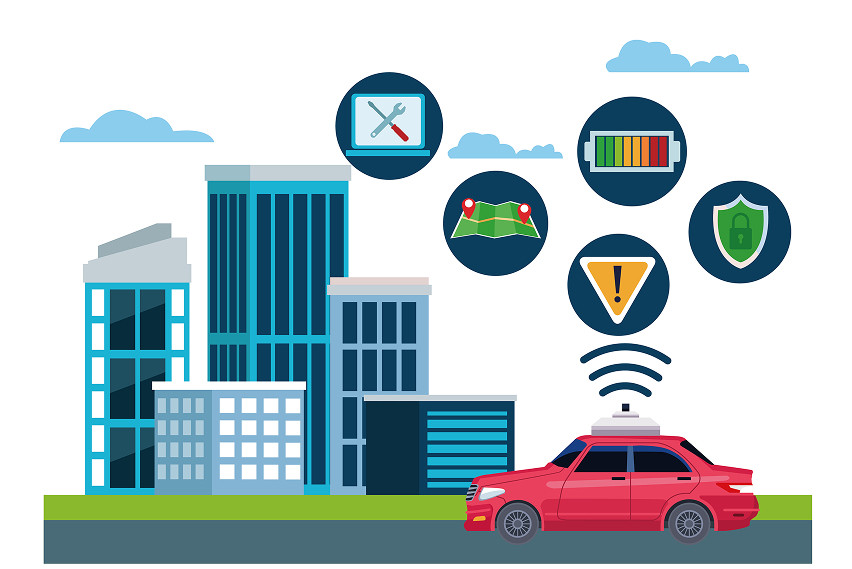 Photo from Freepik
In the Philippines, the concept of telematics and usage-based car insurance is still new and evolving. However, it surely is gaining traction among providers and car owners alike. While some insurance partners use mobile apps to collect data, others rely on in-car devices.
Data collection tools
Most providers offering a usage-based insurance program either rely on mobile apps to track driving patterns or use plug-in devices that connect to the car’s port.
In the Philippines, mobile apps are more widely used due to high smartphone penetration.
Common data collection points -
Insurance companies usually collect the following data from Filipino drivers opting for usage-based car insurance -
- Speed & acceleration
- Sudden braking or sharp turns
- Distance covered
- Location pattern (urban, highway)
- Driving timing (day or late night)
All this data helps insurance providers better understand policyholders and driving risk.
How insurers calculate premiums
Providers give scores to policyholders (with usage-based car insurance) based on their driving habits. Safe drivers are usually rewarded with discounts, cashbacks, and lower renewal premiums. On the other hand, risky behaviour may lead to higher insurance costs.
Adoption of usage-based insurance in the Philippines
Several factors make usage-based insurance appealing to Filipinos, including -
Driving habits & traffic conditions: Urban areas are characterised by heavy traffic, leading to frequent braking and slow speeds. Telematics helps insurers understand the context behind driving behaviour and avoid making decisions based solely on distance covered.
Rising cost of ownership: The cost of owning a car includes several things apart from its price, i.e., fuel, maintenance, toll fees, and insurance premiums. Many drivers want to minimise this cost, and usage-based insurance offers an opportunity to do so.
Digital adoption: With widespread smartphone use and growing trust in digital services, Filipino drivers are more open than ever to app-based insurance solutions
Also Read: Thinking of insuring your old car in the Philippines? Here's all you need to know
Pros & cons of usage-based insurance
Every option has pros and cons, and telematics-based insurance policies are no different. Before making a final decision, a car owner should thoroughly understand the concept, as telematics insurance is not for everyone, despite its benefits.
|
Pros |
Cons |
|
Cost savings: This type of insurance plan allows safe, low-mileage drivers to enjoy low premiums, cashback programs, discounts, and rewards. |
Privacy & data security: Since your driving pattern is monitored over an extended period, there may be concerns about data ownership, data storage, and third-party sharing. |
|
Fair pricing: Instead of being grouped into broad risk categories, drivers here are judged individually, based on their real driving. It is far more equitable and transparent compared to traditional plans. |
High premium for risky driving: If speeding, late-night driving, or sudden braking is your thing, usage-based insurance is not recommended. It will increase the premium. |
|
Improves road safety awareness: Seeing driving scores and reports encourages better habits. Many drivers become more alert once they know their behaviour is being monitored. |
Tech & connectivity issues: Since everything is dependent on data, its accuracy is crucial. In such cases, a weak signal, battery issues, or app glitches may compromise data integrity, resulting in a lower score. |
Who should opt for a usage-based insurance plan?
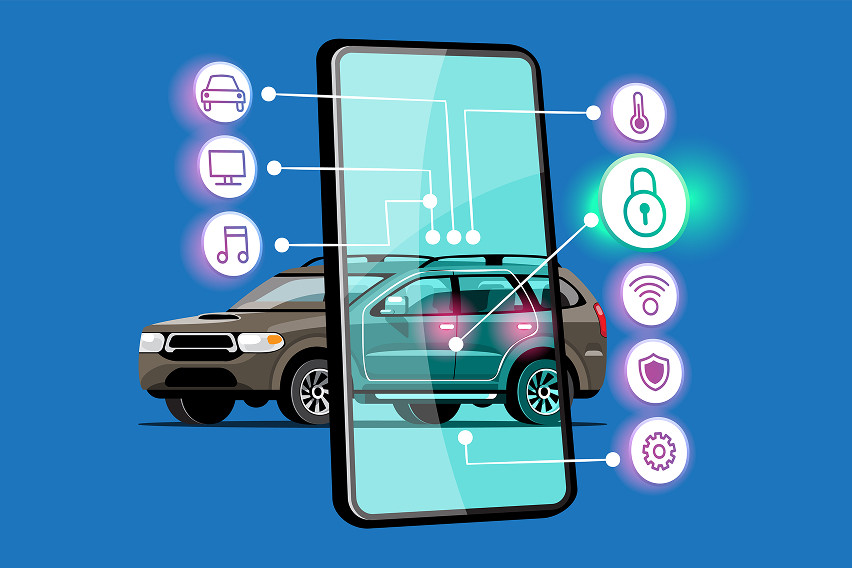 Photo from Freepik
Not all car owners will benefit equally from usage-based insurance. Here’s a guide on the type of car owners for whom this insurance plan is recommended -
|
Provincial drivers |
Such drivers experience smoother roads and less traffic, and therefore might score higher than city drivers in heavy traffic. |
|
Young & first-time drivers |
These drivers are usually responsible and receive higher scores, resulting in lower premiums. |
|
Occasional & low-mileage drivers |
Drivers who drive less frequently benefit significantly from usage-based insurance. |
Tips to choose the right usage-based insurance plan (in 2026)
You must choose wisely to get maximum benefit from telematics insurance -
- Check the data privacy terms carefully: It is essential to ensure you clearly understand how the provider uses and protects your data. Remember, transparency is always a good sign.
- Understand the scoring & reward system: Always choose a plan that fits your driving style; while some reward smooth driving, others focus on mileage.
- Compare (traditional vs telematic plan): Before switching, make sure you compare both insurance policy plans side-by-side. Traditional plans benefit you more than telematics, or vice versa.
Secrets to get the best results from the telematics policy
Adopt a few simple habits, and you’ll benefit significantly from your telematics policy. The list includes -
Safe driving habits: Avoid sudden braking, aggressive turns, and speeding - remember smooth driving leads to better scores.
Monitor your driving reports: Regularly check your app and the generated report to ensure a clear understanding of the score and the factors that affect it.
Ensure proper connectivity and usage: Regularly verify that the app is active and functioning correctly. This will ensure that the correct data is recorded every time.
Also Read: 2025 in Review: Top Insurance Trends, Tips, and Checklist in the Philippines
Bottom line
Should you go for telematics & usage-based car insurance in 2026? If this question is coming to mind, you are in the right place. The answer to this question depends on several factors, including your driving habits, your attitude toward data sharing, and your compatibility with the technology. For instance, it is a safe and cost-efficient option for low-mileage, tech-savvy drivers, but not for Filipinos who value privacy or drive aggressively.
In the Philippines, car insurance has evolved, and usage-based insurance offers a glimpse of a more personalised and fairer practice.
Also Read: New year, new coverage: Rethink your car insurance with ZenInsure
FAQs
Q1. Is telematics and usage-based car insurance legal in the Philippines?
Ans. Yes, it is legal as long as local insurance regulations and data privacy laws are followed.
Q2. Will usage-based insurance lower my premium immediately?
Ans. It depends on the plan; while some offer instant discounts, others adjust the premium at renewal.
Q3. Can I switch back to traditional insurance plans?
Ans. Yes, most insurance providers allow you to change your plan at renewal.
Q4. What if someone else is driving my car?
Ans. In such a case, your score will be affected by their driving behaviour.
Also Read: Must-have add-ons for 2026: What you shouldn’t miss