




In recent years, many car owners have started paying more and more attention to the one unit that runs their car, the engine. It is one of the most overlooked assets that stays within the bumper, rarely complains, and peacefully does its job year after year. But when it creates an issue, you must listen, or else you’d end up paying hefty repair costs.
Why does engine protection matter?
Mainly for two reasons -
- Rising risk on the roads: Flooding is quite frequent, especially during the typhoon season, and the poor drainage system makes the matter worse. Even a short ride through flooded streets can cause severe damage.
- High repair costs: Modern cars come with complex engines that are expensive to repair, costing tens or even hundreds of pesos.
Scared? Don’t be, because there is something very useful and helpful, i.e, engine protection. Depending on the policy and terms, some plans protect your engine. Many car owners are unaware that having a comprehensive plan does not mean they have full coverage. But that’s not always true.
In this article, we have discussed engine protection in detail, so no matter the issue, you and your car are protected.
Also Read: Got a new high-end car? Here is the best insurance guide (for 2026)
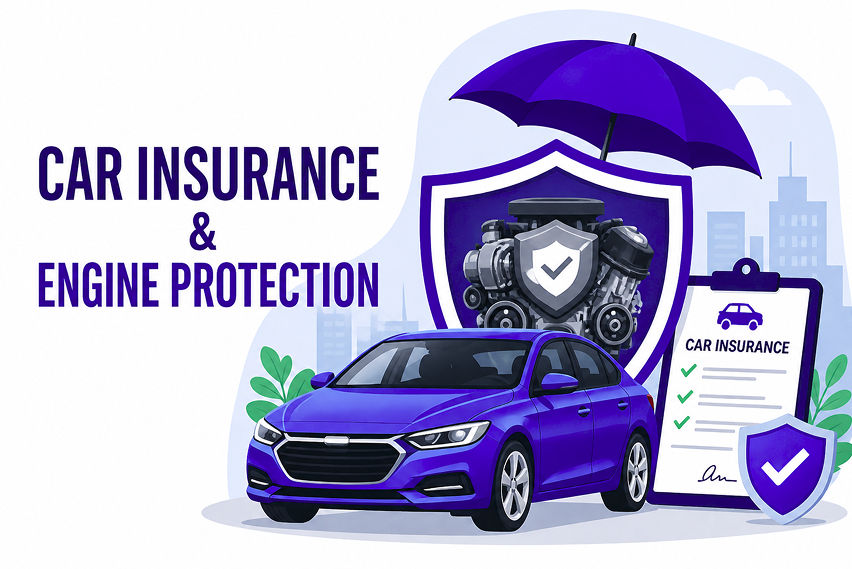
Engine protection: Understanding the basics
Engine protection refers to safeguarding the engine against damage from oil leakage, mechanical failure, or water entering the unit.
Engine protection insurance & standard car insurance
Standard car insurance (comprehensive) usually excludes engine damage, unless it is caused by an accident. But what about the other types of damage caused by flooding or oil leakage? For that, you need extra protection, which this specific coverage provides.
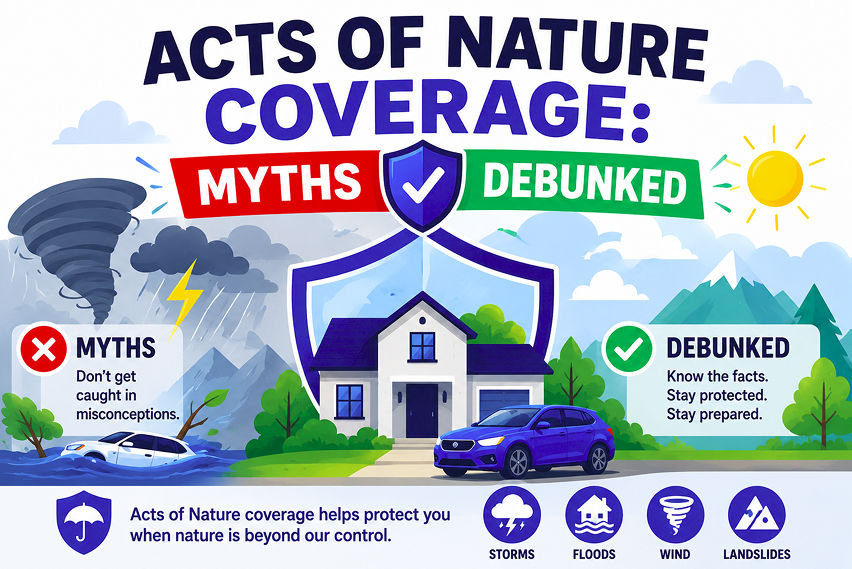
Engine protection & Act of God
Here we’d also like to talk about ‘Acts of God’ coverage. A policy includes coverage for flooding-related engine damage. But that’s not always the case, as this add-on might not fully cover the damage unless specifically mentioned. Make sure to get clarity on this from your provider.
Note that some providers offer Mechanical breakdown insurance (MBI) that covers engine-related issues. Therefore, it is better to discuss with your provider the coverage options available to protect your car’s powerhouse.
Key benefits of engine protection
A policy with engine protection mostly offers the car owner coverage against the following -
- Flooding or water entering the engine: If water enters the engine bay, it will most likely cause severe damage, and the repair cost will be high.
- Oil leakage: There are many causes, and when it occurs, it indicates internal damage.
- Mechanical failures: Some policies also include the following protection: gearbox damage, component breakdown, and differential failure.
Also Read: Car broke down? Here’s how towing can rescue you fast
Engine protection: Inclusions & exclusions
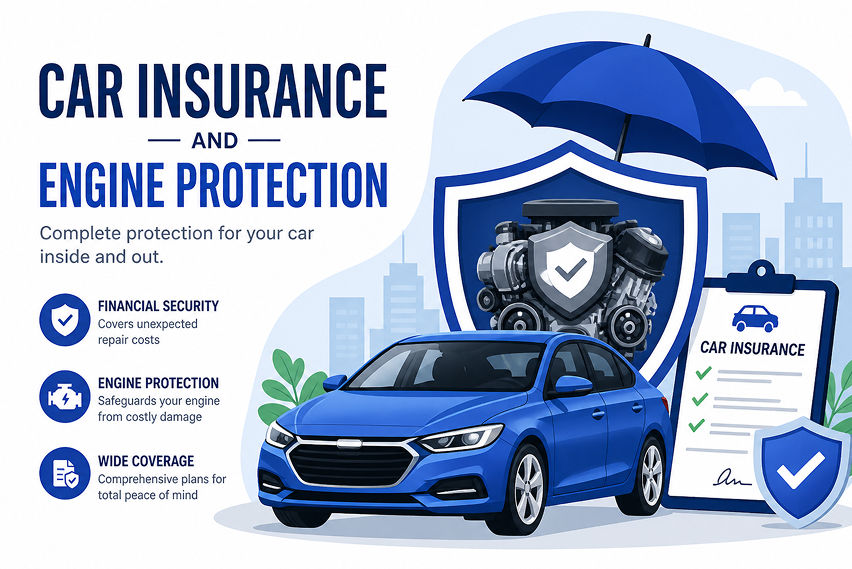
Engine parts covered
Let us first discuss the engine components that are typically covered. The list includes -
- Engine block
- Crankshaft
- Pistons
- Gearbox components
 AI-Generated Image
Situations that are covered
Flood/Water damage (Hydrostatic lock damage): This malfunction occurs when water enters the engine unit, preventing it from functioning properly. Sometimes, even stopping it completely. If engine protection coverage is missing, you’ll end up shouldering costly repairs.
Accident/collision-related damage (Lubrication failure): The engine relies on oil; if it starts to leak or circulate improperly, it can lead to overheating and the breakdown of the mill. Engine protection will help you manage repair costs.
What is not covered?
Negligence & driver error: If the engine damage is attributed to the driver’s error, like ignoring the flood alerts, irregular or poor maintenance, and continuing to drive a stalled car or one with a damaged engine.
Wear & tear: Issues arising from engine ageing and use are not covered.
In all these situations, your insurance claim may get denied.
Also Read: The Philippines Insurance Commission: Ways in which it protects car owners
Engine protection: What’s the cost?
Engine protection can be offered by the insurer as an add-on (such as AOG), under a comprehensive plan, or through Mechanical breakdown insurance (MBI). Therefore, specific, individual pricing will vary. However, compared to the high cost of engine repair, having this protection feels quite affordable.
Factors that commonly affect premiums
- Car model & age
- Engine size
- Location
- Insurance provider
Also Read: When your car insurance won’t help you - even if you paid on time!
How to choose the right coverage
You can do so by -
Comparing insurance providers
Not all policies and insurance providers are the same; therefore, it is important to compare policies and find the one that best fits your budget and meets your needs. While you are on it, here are some key points to consider -
- Compare at least two to three providers.
- Do not select a policy based on premium alone (the cheapest policy often proves expensive in the long run)
- Compare policies on factors like coverage, coverage limits, customer service, customer reviews, and exclusions.
Reading the policy fine print
Before signing up for a policy, make sure to read its fine print thoroughly first. If you do not understand something or are confused about a term or charge, make sure to clear it up beforehand.
Claim process explained
Here is the general step-by-step process to file a claim -
Step 1. Report the incident immediately to the local authorities and your insurance provider
Step 2. After ensuring everyone's safety and getting the car to a safe spot, make sure to take photos of the damage and the incident scene
Step 3. Confirm documentation and other requirements from the insurer, and make sure to submit everything to the point
Step 4. Wait for the investigator for vehicle inspection & approval
Mistakes to avoid when filing a claim
 AI-Generated Image
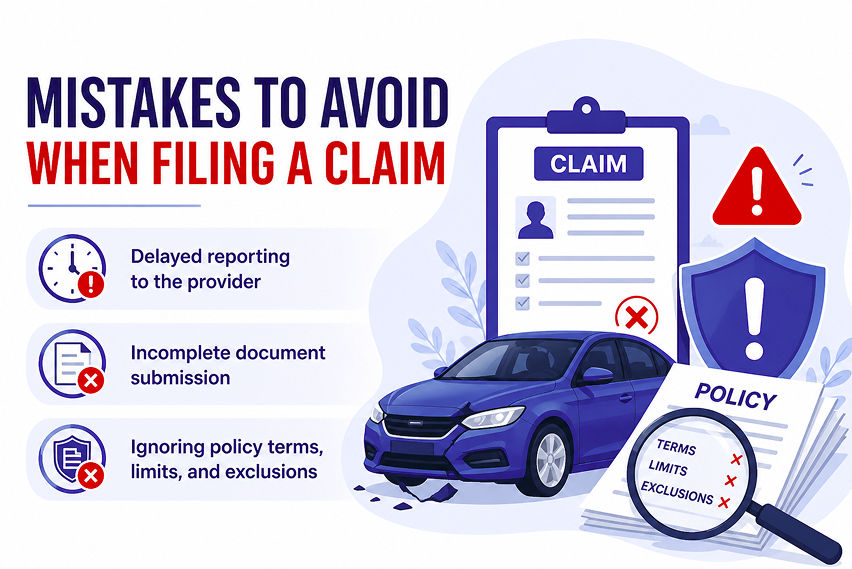
Make sure to stay clear of the following mistakes when filling out an insurance claim, be it regarding engine or other damage -
- Delayed reporting to the provider
- Incomplete document submission
- Ignoring policy terms, limits, and exclusions
Tips for car owners to protect their car’s engine
Even with engine protection cover, it is essential to take preventive measures on your end. This includes -
- Avoid driving through areas with deep floods or on high alerts
- Regular car maintenance & service
- Ensure proper oil levels
Engine protection: When to consider
A car owner should consider getting this coverage if they -
- Lives in a flood-prone area
- Uses the car almost daily
- Owns a new and/or expensive vehicle
Also Read: Personal Accident Coverage for riders in the Philippines: Why it matters
Bottom line
You see, the Philippines is prone to flooding, and road conditions are not ideal. In such situations, keeping the engine protected and preventing costly repairs is a smart investment for the car owner. Especially when engine repair is an expensive problem.
But the question is which coverage offers engine protection. Well, depending on the provider, it can be a comprehensive plan or an add-in like Acts of God. Some providers also offer Mechanical breakdown insurance (MBI) that covers several essential car components, including the engine.
No matter which specific plan offers engine protection, it is quite essential. With a small investment today, you can avoid costly repair bills in the future.
FAQs
Q1. How fast is a claim processed?
Ans. The timeline depends on the insurer; the claim process usually takes from a week to a month, depending on the claim's complexity, the investigation, and paperwork completion.
Q2. Is the engine protection ideal for city driving?
Ans. Yes, especially if you live in or frequently travel to a flood-prone area.
Q3. How essential is regular maintenance for this coverage?
Ans. Very much. Insurance may get rejected due to maintenance negligence.
Q4. Does insurance cover electrical damage?
Ans. It depends on your provider and the terms of your policy. It is recommended to get clarity from your provider beforehand.
Q5. Is insurance with engine protection expensive?
Ans. Not really, especially when compared to the potential repair cost.
Q6. Can I include an add-on cover to my policy at any time?
Ans. Most insurance providers allow mid-term policy changes; however, it is recommended to make them at the time of policy renewal.
Q7. Does the Act of God add-on cover engine damage?
Ans. This add-on offers protection against damage caused by natural disasters, so if the engine is damaged by a flood, it will cover the repair.
Q8. Are old cars covered under add-on coverages?
Ans. It depends on the insurer; some have coverage limits for older vehicles.
Q9. Do claims affect the premium?
Ans. In most cases, frequency claims may increase future premiums.
Q10. Is gearbox protection included in any add-ons?
Ans. It depends on the policy; some add-ons include gearbox repair if it was damaged along with the engine.
Also Read: Planning to renew your car insurance policy? Read this zero-dep guide first