




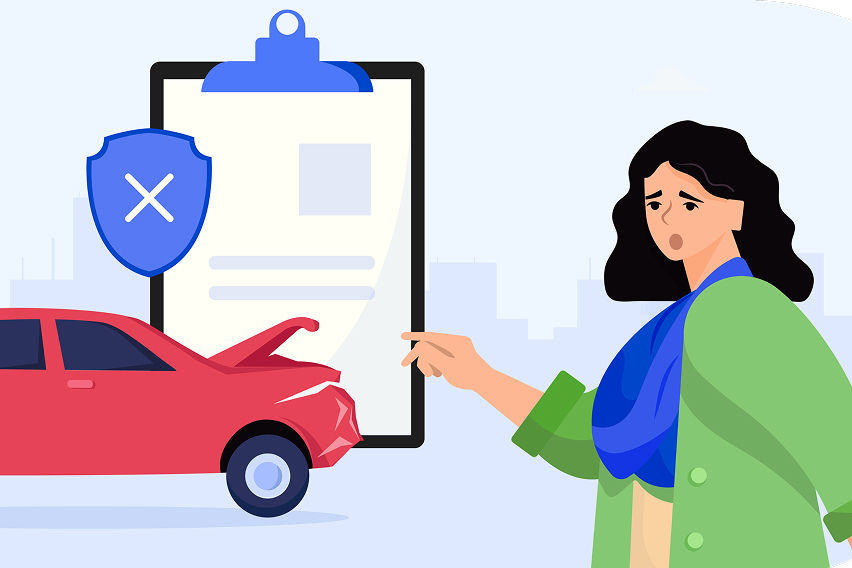
Many Filipino car owners believe that if the premium is paid timely, they are protected - straight & simple. But sadly, this is not always the case. The harsh reality is that there are cases/situations when your car insurance policy won’t help you - even if you made all the payments on time. Every year, many Filipino drivers face this awkward and stressful situation: after an accident, theft, or flood, they confidently file a claim - only to discover that the provider denies it.
In this article, we’ll discuss why denial happens even after premium payments, what the policy really means & covers, and how you can avoid becoming a disappointed & frustrated policyholder.
So, without any delay, let’s begin …
Car insurance in the Philippines: Understanding the workings
Before discussing claims and their denials, it is a good idea to clarify how car insurance works locally.
Mandatory vs. Comprehensive coverage
In the Philippines, every vehicle must be registered with the LTO, for which Compulsory Third-Party Liability (CTPL) insurance is required. This insurance coverage offers protection against third-party injury or death. It does not take care of your car, its repair, or your medical bills.
Comprehensive insurance, on the other hand, is optional but highly recommended to car owners. Why? For its extensive coverage against damage to your car, theft, natural disasters (if included), and third-party property damage.
Many drivers believe that CTPL and comprehensive coverage together make them ‘fully insured’, but that’s not always the case. Therefore, it is important to read the fine print carefully.
The role of the policy contract
Your car insurance policy is a legal contract between you & your provider. This document lists -
- What is covered
- What is excluded
- What conditions must be followed
If even one condition is broken, your insurer can legally deny your claim - even if you paid premiums on time.
Also Read: Smart parking habits that protect your car (and your policy)
Common situations when your insurer won’t offer coverage
 Image from Shutterstock
Here are the most common and frequent reasons Filipino drivers get disappointed after an accident (thanks to the insurer) -
Driving without a valid license
If the driver -
- Has an expired license
- Has a student permit
- Has no license at all
Your claim can be denied, as insurance providers expect drivers to be legally qualified to drive.
Driving under the influence
Alcohol and drugs are almost always excluded from a policy. If the police report states intoxication, you’ll be offered -
- No reimbursement
- No repair coverage
- No medical benefits
Therefore, it is recommended never to touch such intoxicating substances when driving.
Unauthorised driving clauses
Some policies only cover the car owner or declared drivers. In such cases, if your cousin, friend, or employee drives without being listed as a driver, the insurer may refuse to pay.
However, in the Philippines, most providers work on the ‘Authorised Driver’ clause, meaning that anyone holding a valid driver’s licence is entitled to drive and will receive compensation if everything else falls into place.
Acts of God
Floods, earthquakes, and typhoons are common occurrences and are assumed to be covered - but only if -
- Your policy includes ‘Acts of God’ coverage
- Your policy explicitly says so
Many Filipinos assume that flood damage is automatically covered. But it is not the case.
Also Read: Car Insurance 101 for New Drivers in 2026: Basics you can’t skip
Policy exclusions that most Filipinos don’t read
 Photo from Freepik
This is where most car owners' troubles begin, i.e., when they fail to recognise policy exclusions. Some of the most common being -
|
Mechanical breakdown |
Engine failure due to -
In such a case, the insurer denies the claim, “This is not accidental damage" |
|
Wear & tear |
The policy does not cover some items. The list includes -
Why? Because these are all maintenance issues, not insurance risks. |
|
Improper vehicle usage |
Claims may be denied if you use your private car
|
Late reporting & its consequences
Even valid accidents can be denied due to late reporting. Here’s what you need to know about reporting after an accident -
Time limit for reporting
Some policies require car owners to report the incident within the defined timeline, which can range from 24 to 72 hours. Miss this deadline, and your insurer can legally say no to your claim.
Requirements for the claim
Most insurers require policyholders to submit the following paperwork when filing a claim. This includes - a police report, photos of the damage & incident scene, vehicle OR/CR, driver’s license, and a copy of your policy.
Without these, your claim weakens significantly.
Also Read: What is car insurance, and why does every Filipino driver need car insurance
Why does paying a premium not guarantee coverage
 Photo from Freepik
One of the biggest misconceptions among policyholders is that if the premium is paid fully and on time, their coverage will never be compromised.
Risk-based contracts
Insurance is not a savings plan, but a risk-based contract. It covers sudden, unexpected, and insurable risks.
If your loss does not fit the box, even a paid premium won’t guarantee coverage.
Misrepresentation in the application
If you misrepresented any fact or detail in the application form, your claim can be denied, even if the premium was submitted on time. Make a note to never -
- Lie about your personal details (like address, contact details, etc.)
- Hide previous accidents or claim reports
- Use the vehicle for wrong or unreported purposes
Also Read: 2026 Guide to car insurance renewal: Coverage, tips, & costs
The financial impact of a denied claim
Denied claims can cause significant stress for car owners and lead to financial strain. In such situations, you may end up paying for car repair, medical bills, legal charges, etc. The situation worsens in the case of a total loss.
For many Filipinos, this means taking out loans, selling assets, and delaying medical treatment. Therefore, it is crucial to understand your policy and the terms it mentions.
Tips to avoid claim denial by your insurer
Here are some tips to help you avoid the stress of claim denial -
Tip #1. Read the policy fine print
Make sure to focus on policy details like exclusions, driver restrictions, claim deadlines, and coverages.
If there’s anything you don’t understand or feel confused about - ask your agent or clarify with the provider.
Tip #2. Maintain proper documentation
Always keep essential documents in order and handy. The list includes - driver’s licence, vehicle OR/CR, and policy papers. Other than that, make sure to submit a police report (if required) and photos of the accident - this will strengthen your claim.
Tip #3. Choose the right provider
Pick an insurance provider accredited by the Insurance Commission and financially stable, with a good reputation.
Also Read: Car insurance expired? Act fast before you drive again in 2026
Legal remedies for unfair claim denials
If you believe the denial is unfair, you can challenge the decision. Here are a few ways to do so -
File a complaint
You may file a complaint with your insurer’s claim department. If that doesn’t work, you can approach the Insurance Commission for help. Go prepared with your policy copy, evidence, and denial letter.
Arbitration vs. Court case
Arbitration is cheaper and faster; on the other hand, a court case is a slow, more expensive process and should be considered as a last resort. Most disputes are resolved before reaching court.
Also Read: Downgrading your car insurance coverage: Smart scenarios when it actually makes sense
Bottom line
Car insurance not helping - even after paying the premium on time? It is a sad reality many Filipino car owners face, rooted in policy conditions & exclusions. For Filipino drivers, the lesson is simple - insurance works only when the rules are followed, risks are properly declared, and coverage is clearly understood.
A few suggestions to consider -
- Read your policy thoroughly (exclusions, inclusions, terms)
- The accident is reported at the earliest
- The insurance provider is licensed by IC & well-reputed
Following the above-mentioned steps will avoid painful surprises and protect both your car and your finances.
Remember, smart insurance is not just about paying - it is about understanding.
Also Read: Why do two drivers with the same car pay different premiums?
FAQs
Q1. Why was my insurance claim denied even though I paid the premium on time?
Ans. Timely payment of the premium keeps your insurance policy active; however, it does not guarantee coverage if there’s a violation or exclusion that applies.
Q2. Does car insurance cover floods?
Ans. Not always. Flood coverage is specifically available if Acts of God protection is part of the policy.
Q3. Will the insurer deny my claim if someone else was driving my car?
Ans. Most providers work on the ‘Authorised Driver’ clause, under which if the driver has a valid driver’s licence, the claim won’t be denied.
Q4. What if I forget to report the accident immediately?
Ans. Late reporting of the incident can be a valid reason for denial. Make sure to respect your policy’s time limit.
Q5. Does insurance cover mechanical failure?
Ans. No, most insurance policies do not cover engine or part failure.
Q6. What documents should I keep handy for insurance purposes?
Ans. The list includes - driver’s license, OR/CR, and a copy of the insurance policy.
Q7. Does CTPL insurance cover car repairs?
Ans. No, CTPL insurance only covers third-party injury or death.
Q8. Can I fight claim denial?
Ans. Yes, First file a complaint with your insurer, request a written explanation, and try to resolve the issue. If that doesn’t work, you can escalate the issue to the Insurance Commission.
Also Read: Is your car properly insured for multiple drivers? Here’s what you should know