





Getting into a car accident is already stressful. But imagine filing your insurance claim and then hearing the words “claim denied’. That can feel frustrating, confusing, and sometimes even unfair.
If you’re a Filipino car owner dealing with this situation, don’t panic. A rejected claim doesn’t always mean the end of the road. In fact, many insurance decisions can be reviewed, appealed, and, in some cases, reversed.
This guide explains how you, as a policyholder, can fight back effectively in the event of a claim denial. Here, we have discussed practical steps you can take to challenge a denied claim, protect your rights as a policyholder, and improve your chances of getting the compensation you deserve.
Let’s get started …
Why insurance claims get denied
Before you start fighting back, it helps to understand why claims get rejected in the first place. Insurance providers in the country follow specific policies and regulations - and when a claim application doesn’t honour those rules, the insurer might deny the claim.
In such cases, knowing the reason behind the denial gives you a strong starting point for an appeal.
Common reasons for car insurance claim rejection
 Photo from freepik
Here are some of the most common reasons why insurance companies deny car insurance claims -
- Late reporting of the accident
- Expired insurance policy
- Driver not listed in the policy
- Driving under the influence
- Incomplete documentation
- Damage not covered by the policy
For example, if you report the accident several days after it happened, your insurer may question the circumstances. Many policies require reporting within 24 hours or as soon as possible.
Policy violations that lead to the denial of coverage
Sometimes claims are denied because the policyholder unknowingly violated the policy terms.
Example includes -
- Using a private vehicle for commercial services like delivery or as a cab
- Allowing unlicensed drivers to operate the car
- Modifying the vehicle without informing the insurer
- Driving outside the coverage area (if specified in the policy)
Note that even minor violations can give insurers grounds to deny a claim. So, be cautious,
Documentation issues & missing evidence
Another big reason for claim rejection is a lack of proper documentation. Usually, providers require the following documents at the time of claim filing -
- Photos of the damage & accident scene
- Police report
- Repair estimates
- Duly accomplished claim form
- Vehicle OR/CR
- Valid government-issued ID
- Copy of insurance policy/certificate number
If any of these documents is missing, the claim may be delayed or, in some cases, even denied.
Note: It is important to confirm the document requirements for claim filing with your insurer, just to be extra cautious.
 Photo from Freepik
Claim turned down? Here’s how to fight back smartly
When your claim is rejected, your first step should be to review your policy carefully. Many drivers skip this step, but it is crucial. We have discussed the same in detail below -
What to look for in your policy?
Focus on the following sections in your policy -
- Coverage details
- Exclusions
- Claim procedures
- Reporting deadlines
- Deductibles
Sometimes claims are denied simply because the policyholder misunderstood what the policy covers.
Coverage limits & exclusions
Insurance policies usually include specific exclusions, such as -
- Acts of God are not always covered under the policy
- Mechanical breakdown
- Wear & tear
- Unauthorized drivers
By carefully reviewing these sections, you’ll be able to determine whether the denial was justified or questionable.
Also Read: Is your car properly insured for multiple drivers? Here’s what you should know
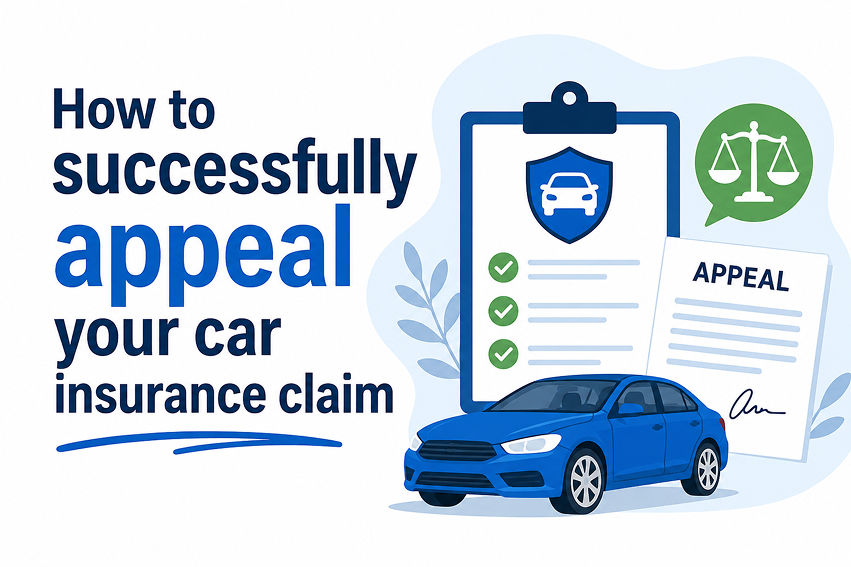
Appealing a denied car insurance claim: A step-by-step guide
If you believe the denial was unfair, you can always file an appeal. Here’s the process -
Step 1: Request a detailed explanation
Start by asking your provider for a written explanation of why your claim was denied.
This explanation generally includes -
- Specific policy clauses
- Investigation findings
- Evidence used for the decision
The above information will help you prepare your appeal as effectively as possible.
Step 2: Gather all evidence & documents
Next, collect all documents related to the accident. This may include -
- Photos & videos
- Police report
- Medical reports, if applicable
- Repair estimates
- Witness statements
The stronger your evidence, the better your chances of reversing the decision.
Step 3: File a formal appeal
Submit a formal letter that includes your policy number, claim number, reason for disputing the denial, and supporting documents.
Tip: In your letter, be clear, respectful, and factual.
Often, insurers reconsider their decisions when presented with additional information & evidence.
Also Read: Why do two drivers with the same car pay different premiums?
Tips for collecting strong evidence after an accident
 Photo from Freepik
If you have ever been in another accident, properly documenting everything can help prevent future claim issues.
Photos, videos, & witnessed statements
Right after the accident, once you have checked your own and everyone's safety, make sure to take photos of the following -
- Vehicle damage
- License plates
- Road conditions
- Traffic signs
- Injuries if any
Also, try to collect contact information from the witnesses.
Police report & repair estimates
Police reports are extremely important for filing insurance claims, especially in cases of major accidents or theft. They serve as an official account of the incident, which insurers rely on heavily.
Further, repair estimates from accredited shops also strengthen your claim.
Working with your insurer effectively
Sometimes, claim disputes happen simply because of miscommunication. Learning how to deal with your insurance representatives properly can make a huge difference.
Communicating clearly with the adjuster
Insurance adjusters investigate accidents and determine compensation. When speaking with an adjuster, make sure to -
- Stay calm & professional
- Provide clear details
- Avoid exaggeration
- Stick to facts
Remember, an adjuster documents everything you say.
Keeping written records of all conversations
Always keep records of all the communication between you and your insurer, including -
- Emails
- Letters
- Phone calls
- Claim documents
If disputes arise later, these records can serve as valuable evidence.
Also Read: Downgrading your car insurance coverage: Smart scenarios when it actually makes sense
When to seek help from the Insurance Commission
 Photo from Freepik
If your appeal is rejected and you believe that the decision is unfair, you can seek help from the government.
Filing a complaint with the Insurance Commission (IC)
The Insurance Commission regulates insurance companies in the Philippines.
You can file a complaint with the IC if -
- Your claim was unfairly denied
- The insurer delayed processing
- The company violated regulations
Documents you need to submit -
- Policy details
- Claim documents
- Correspondence with the insurer
What happens during the investigation
Once a complaint is filed, the commission may -
- Review the case
- Request an explanation from the insurer
- Attempt mediation
- Issue a regulatory decision
In many cases, disputes get resolved during this stage.
Also Read: Car insurance expired? Act fast before you drive again in 2026
Legal options if the claim is still denied
If nothing works, legal action may be your last option.
Small claims court & legal assistance
For smaller amounts, you may consider going to the Metropolitan Trial Court, Municipal Trial Court, or Municipal Circuit Trial Court. They are faster and less expensive compared to traditional lawsuits.
This option works well for minor insurance disputes.
Hiring a lawyer for insurance disputes
If the claim amount is large, consulting a lawyer might be worthwhile. A lawyer can -
- Review your policy
- Assess the insurer’s decision
- Represent you in legal proceedings
Sometimes, the presence of a legal representation alone encourages insurers to settle disputes.
Tips to prevent future claim denials
The best strategy is to avoid claim problems in the first place. This can be via -
Tip #1: Understanding your policy before signing
Before purchasing insurance, make sure to -
- Read the entire policy
- Ask questions about exclusions
- Understand the claim process
- Never assume coverage without verifying it.
Tip #2: Maintaining proper documentation
Keep the following documents organised -
- Insurance policy
- Payment receipts
- Accident reports
- Repair invoices
Organised and proper documentation makes the claim process smooth and hassle-free.
Also Read: Car Insurance 101 for New Drivers in 2026: Basics you can’t skip
Bottom line
Having your insurance claim rejected can feel discouraging, but it is not always the final decision. By understanding the reason for the denial, carefully reviewing your policy, and following the proper appeal process, you can significantly improve your chances of getting the outcome you deserve.
Remember, for a car owner, knowledge is power. The more you understand your policy and your rights as a policyholder, the better prepared you are for a challenge. If your claim is turned down? You can always fight back with persistence, proper documentation, and the right guidance.
Also Read: Smart parking habits that protect your car (and your policy)
FAQs
Q1. Is it possible to appeal against a denied car insurance claim?
Ans. Yes, you can. Most providers allow policyholders to file an appeal, especially if new evidence is available.
Q2. How long does an insurance claim appeal take?
Ans. The appeal process may take anywhere from a few weeks to several months, depending on the complexity of the case.
Q3. What documents are required to appeal a denied claim?
Ans. Common documents include your policy, claim number, accident photos, police report, and repair estimates.
Q4. Can the Insurance Commission help with claim disputes?
Ans. Yes. The Insurance Commission can investigate the complaints and mediate disputes between policyholders and insurers.
Q5. Can late reporting cause claim denial?
Ans. Yes. Many insurance policies require accidents to be reported within 24 hours or as soon as possible.
Also Read: Buying a used car? Don’t forget these insurance checks