




We’ve all been there. You’ve had the dates marked on your calendar for months. The leaves are requested, the resort is booked, and you can practically taste the fresh coconut water or feel the breeze at a cosy mountain café.
Then you look at the weather app two days before departure, and it’s just a line of dark grey clouds with 90% rain.
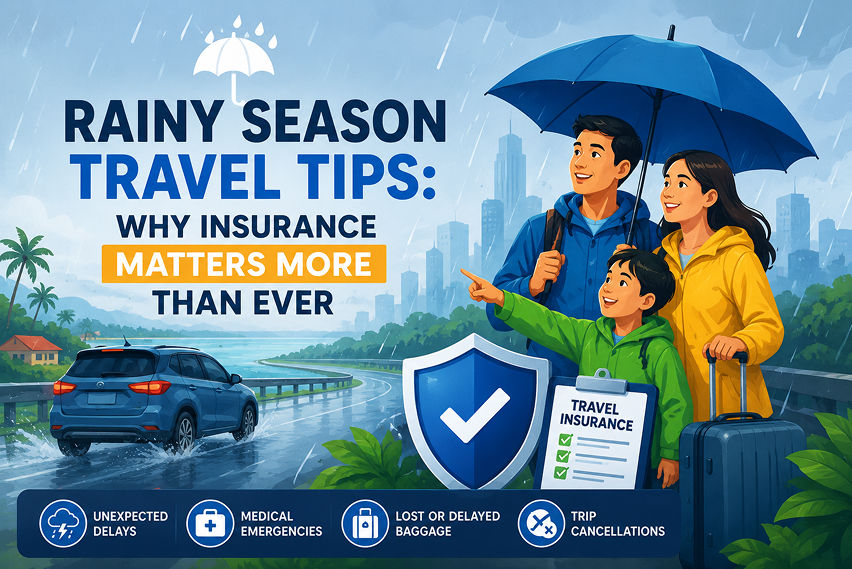
Travelling around the Philippines during the rainy season, that’s roughly from June to November, is a special kind of adventure. On good days, you get cheaper flights, fewer crowds, and gorgeous, lush green scenery. On bad days, you get stranded at a ferry port because the Tropical Cyclone Wind Signal No. 1 has just been raised.
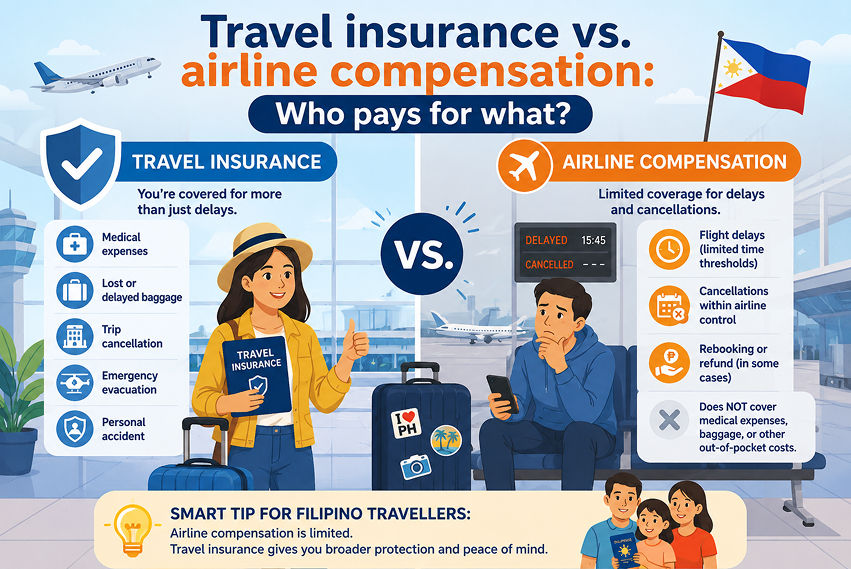
It’s part of tropical life. But as any experienced traveller will tell you, the difference between a ruined vacation and a minor bump in the road usually comes down to one thing: travel insurance.
Also Read: Why do local trips need a travel insurance plan?
The rainy season advantage (and the catch)
 AI-Generated Image
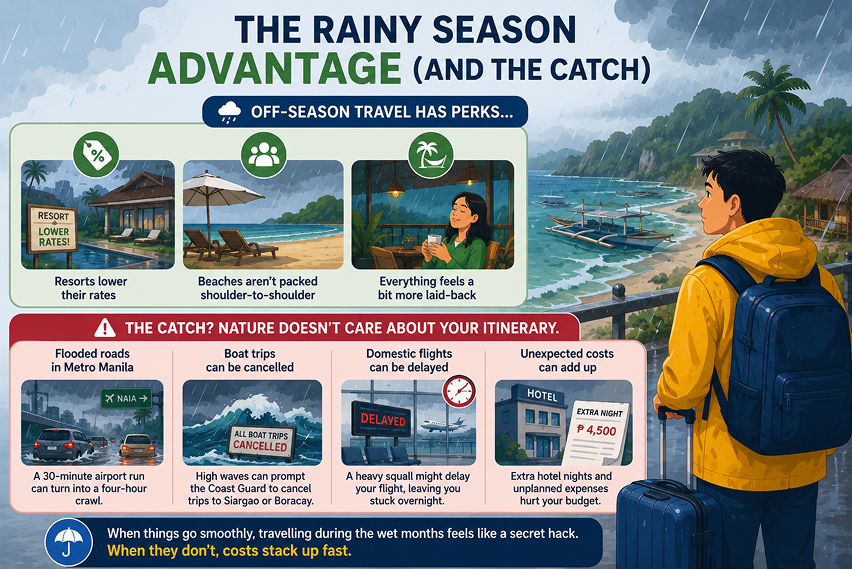
Off-season travel in the country has its perks. Resorts lower their rates, beaches aren't packed shoulder-to-shoulder, and everything feels a bit more laid-back.
The catch? Nature doesn't care about your itinerary.
A sudden downpour can flood major roads in Metro Manila, turning a 30-minute airport run into a four-hour crawl. High waves can prompt the Coast Guard to cancel all boat trips to Siargao or Boracay. A heavy squall might delay your domestic flight, leaving you stuck paying for an extra night at a hotel you didn't plan to visit.
When things go smoothly, travelling during the wet months feels like a secret hack. When they don't, costs stack up fast.
Also Read: Flying to Taiwan? Why travel insurance should be in your backpack
Why travel insurance is no longer optional
A few years ago, many of us viewed travel insurance as an unnecessary expense, just an extra checkbox to skip when buying a budget airline ticket. But travel has changed, and weather patterns feel more unpredictable than ever.
It isn't just about losing a bag anymore. It's about protecting your hard-earned money when the weather shows no mercy on your amazing travelling plans.
Also Read: Why should you purchase a travel insurance policy online?
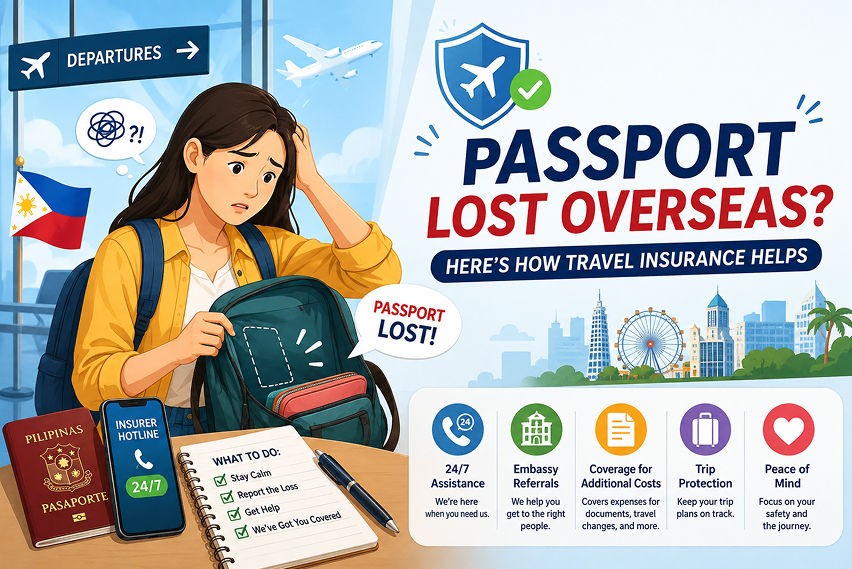
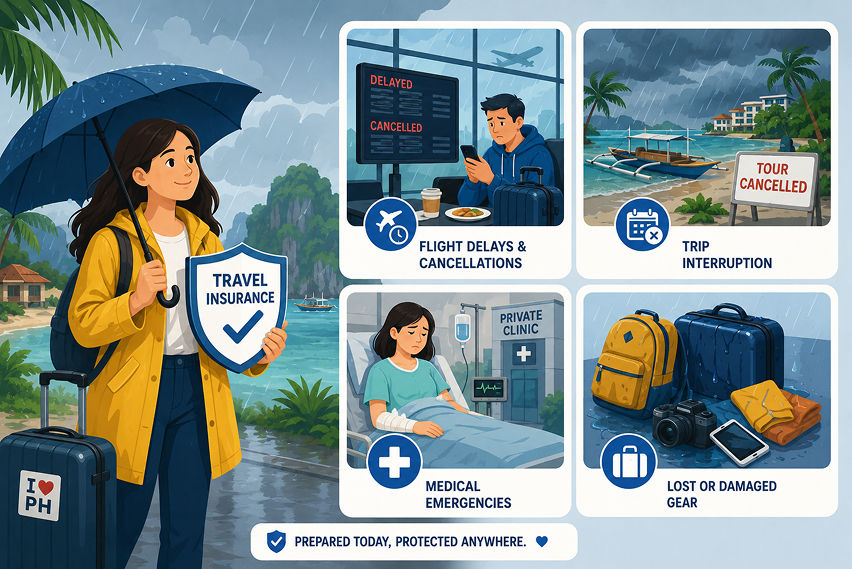
Here’s what proper travel insurance coverage actually does for you on the ground:
 AI-Generated Image
- Flight delays and cancellations: If a typhoon delays your flight, your insurance policy will help cover the cost of meals, alternative transport, or hotel stays while you wait for things to settle.
- Trip interruption: Imagine being halfway through an island-hopping tour when a storm suddenly hits, thus forcing early boat returns and cancelled hotel bookings. Good policies reimburse those non-refundable fees.
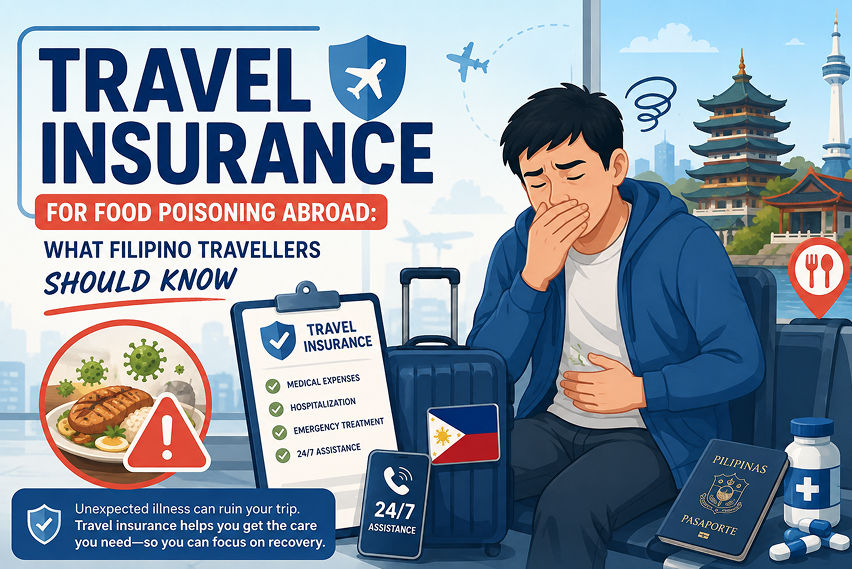
- Medical emergencies: Slipping on wet tiles near a pool or catching a severe bug while stranded away from home can mean an unexpected hospital visit. Private clinic bills in tourist spots add up quickly, and medical coverage ensures you aren't paying out of pocket.
- Lost or damaged gear: Wet bags happen. If a torrential downpour soaks your luggage on top of a jeepney or your bags go missing in transit, coverage helps replace your essentials.
Also Read: Comparing travel insurance plans online: An essential guide for Pinoy travellers
Choosing the right coverage
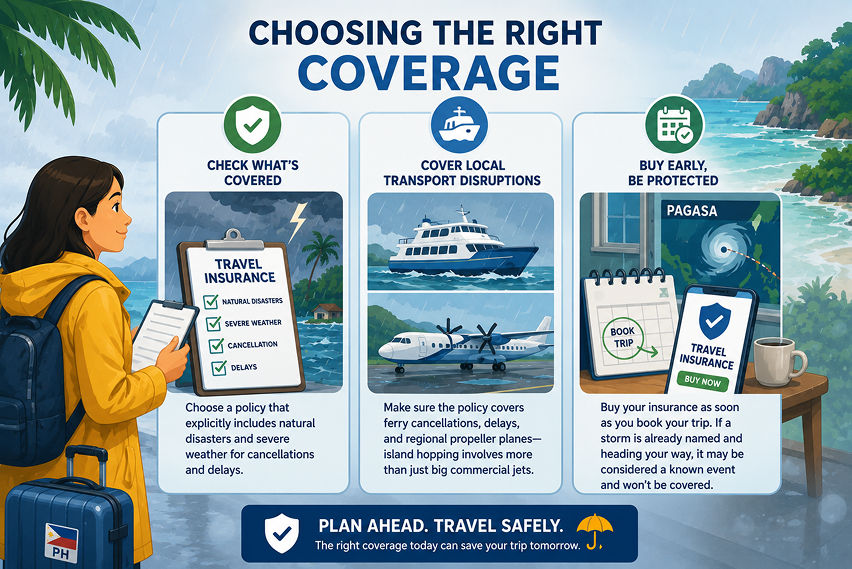 AI-Generated Image
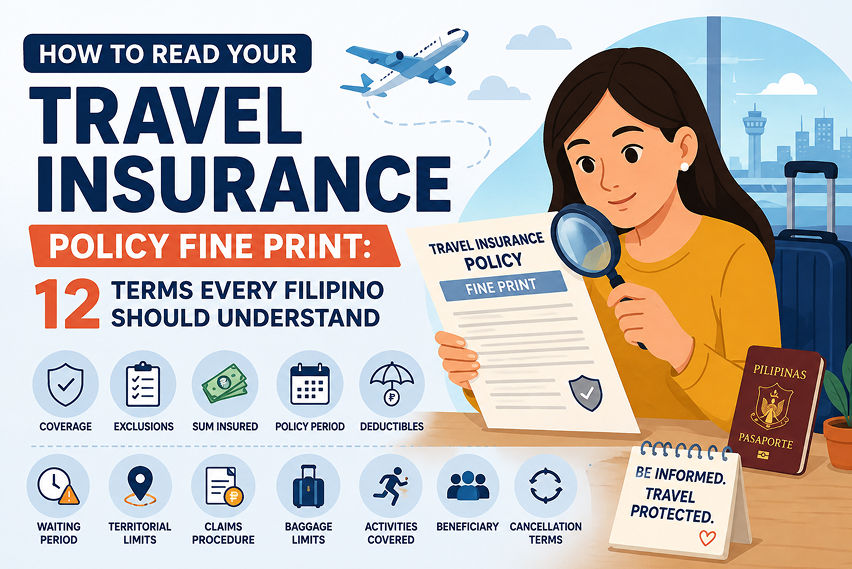
Not all policies are created equal. Buying the cheapest option at checkout without reading what's included often leaves you unprotected when you actually need help.
Look for a policy that explicitly mentions natural disasters and severe weather under its cancellation and delay clauses. Make sure the policy covers local transport disruptions—like ferries and regional propeller planes—since island hopping involves more than just big commercial jets.
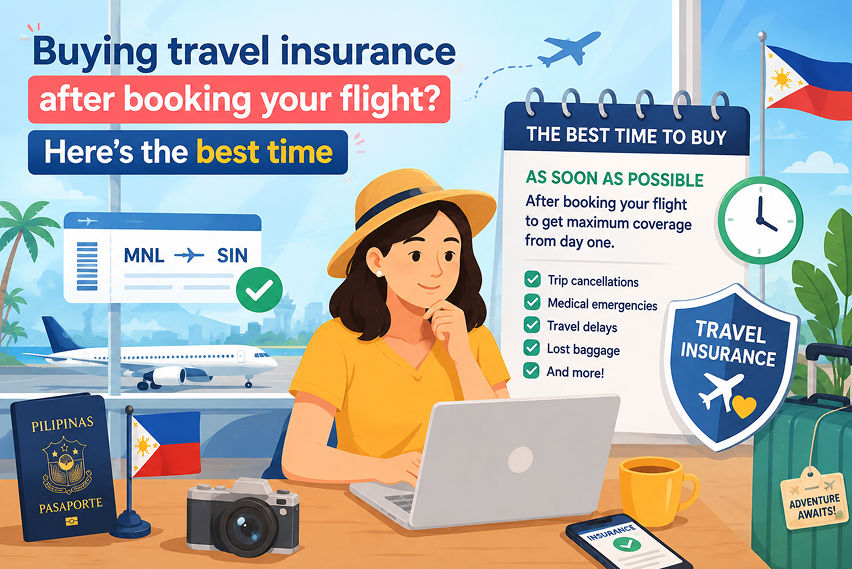
Also, check the timing. Buy your insurance as soon as you book your trip. If you try to buy a policy after a storm has already been named by PAGASA and is heading toward your destination, insurers will likely consider it a known event and won't cover weather-related cancellations.
Also Read: Travel Master vs. TraveLite: Which Malayan plan is right for your next trip?
Bottom line
Rain will always be a factor when exploring our beautiful islands during monsoon season. But a rain forecast shouldn't keep you from making memories or enjoying a quiet getaway with friends and family. We advise you to pack appropriate rain gear, keep your plans a little flexible, and get yourself adequate insurance before heading out.
That way, when the dark clouds roll in, you can sit back, enjoy the sound of rain on the roof, and know you're completely fine.
Also Read: Planning your next trip? Here is how AXA Smart Traveller keeps you covered
FAQs
Q1. Is domestic travel insurance necessary for Filipino travellers?
Ans. Yes, absolutely, domestic insurance is a must. You see, domestic trips are most likely to be affected by weather disruptions. A cancelled ferry or a delayed island hopper flight can keep you stranded in a small, isolated town with limited accommodation options, making out-of-pocket expenses pile up fast.
Q2. If the typhoon hits, will my travel insurance cover flight cancellation?
Ans. It usually will, given that you bought the insurance before the typhoon was officially named or declared a public threat. It is always recommended to check your policy's terms regarding natural disasters.
Q3. What happens if my ferry/boat ride gets cancelled during a rough sea?
Ans. Many comprehensive travel policies cover trip delays or interruptions caused by travel bans due to bad weather. They reimburse you for additional meals and/or overnight stays. Keep the official receipts and a copy of the cancellation notice.
Q4. Does basic credit card travel insurance offer enough protection to travellers?
Ans. Sometimes, but not always. Credit card travel insurance coverage often has strict limits, higher deductibles, or applies only if you paid for the entire trip with that specific card. Read the fine print to see if it covers wet-weather delays and medical evacuation.
Q5. How can travellers file a claim if their trip gets disrupted by bad weather?
Ans. First and foremost, have every single piece of documentation - this includes airline delay certificates, coast guard advisories, hotel bills, transport receipts, and photos. The more proof you have of the disruption and your extra expenses, the smoother your claim process will be.
Q6. If my kid gets sick on the trip during the rainy season, will travel insurance provide coverage?
Ans. Yes. Most group standard travel policies include emergency medical coverage. This covers doctor consultations, medicines, and hospital stays if you catch a sudden illness or suffer an injury while travelling.
Also Read: 7 Questions to ask before buying travel insurance