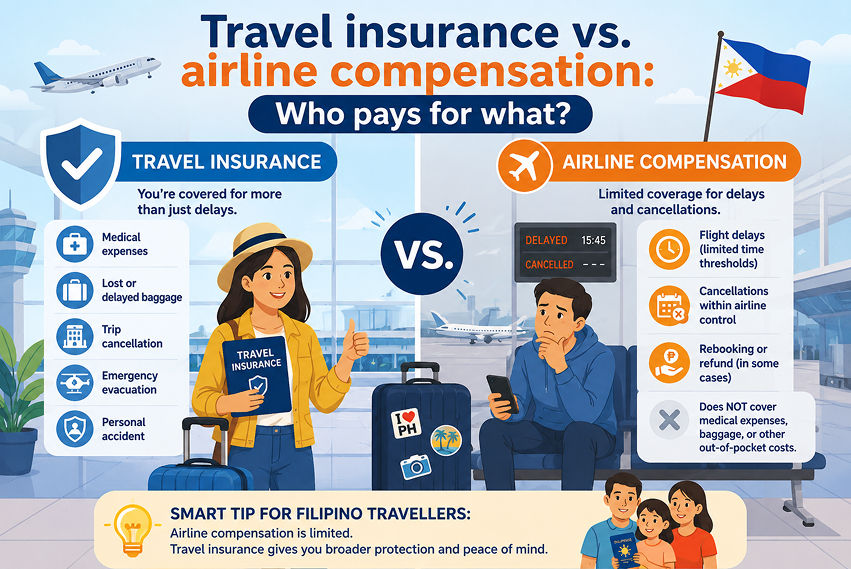





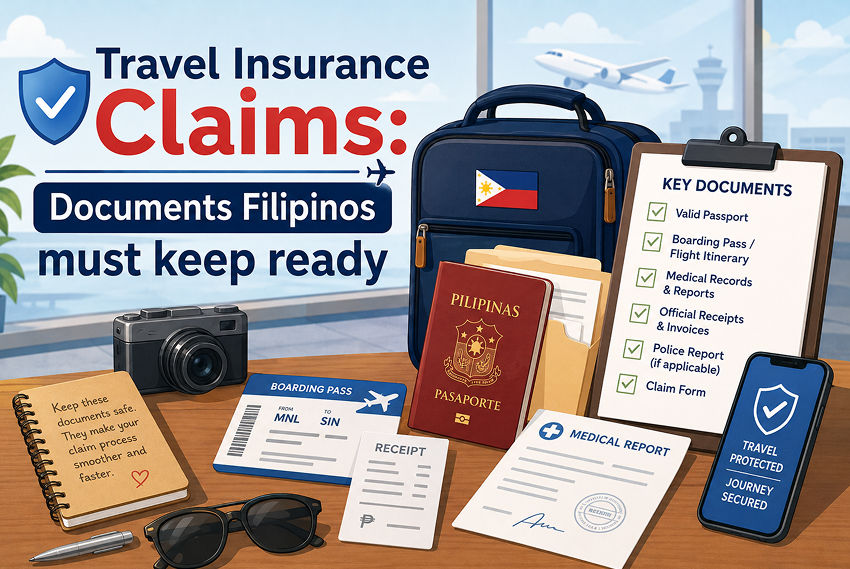
It all starts with planning the perfect itinerary, packing everything and a little more, and finally setting off on your dream vacation. But then, out of nowhere, the unexpected happens - your flight gets heavily delayed, your baggage goes missing, or worse, you fall ill on the trip. Disappointing, huh?
It won’t be so much if you have travel insurance, as it brings immense peace of mind. However, things only work out when you know how to use them. We are talking about navigating insurance claims, which sometimes feel like solving a puzzle, but with the right know-how, it doesn't have to be.
To help you handle mishaps seamlessly, we have created a practical, step-by-step guide to filing a travel insurance claim in the Philippines, ensuring you get reimbursed without the usual headaches.
Also Read: Travelling with kids? Don't skip these travel insurance tips
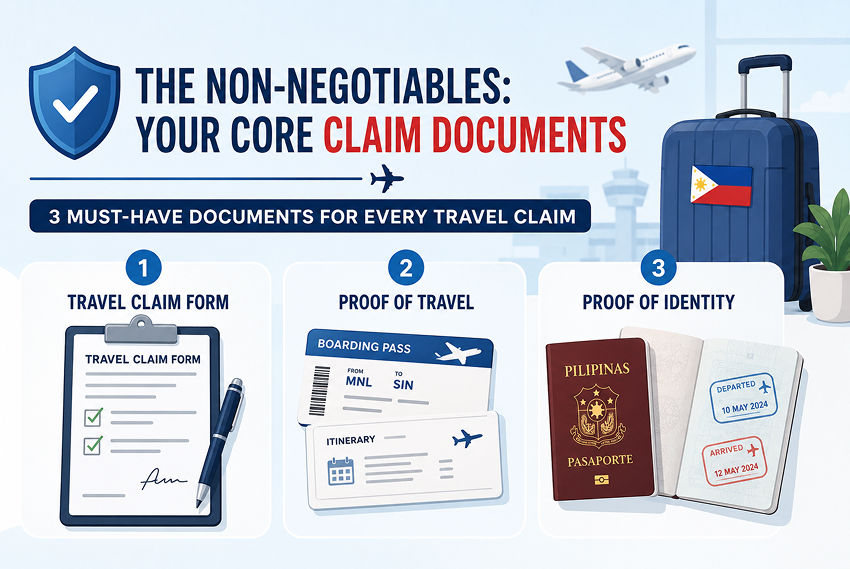
The non-negotiables: Your core claim documents
Regardless of whether you are claiming for a minor flight delay or a major medical emergency, every insurance provider will require a few basic sets of documents to prove who you are and that you actually took the trip. Think of these as your entry ticket to the travel insurance claim process.
 AI-Generated Image
Before we dive into specific scenario-based claim document requirements, make sure you have these three core items ready:
- The travel claim form: Fully accomplished, signed, and filled out truthfully.
- Proof of travel: Your complete airline ticket, e-ticket, or booking itinerary.
- Proof of identity: Your passport copy (especially the pages showing your identity and the official immigration departure/entry stamps).
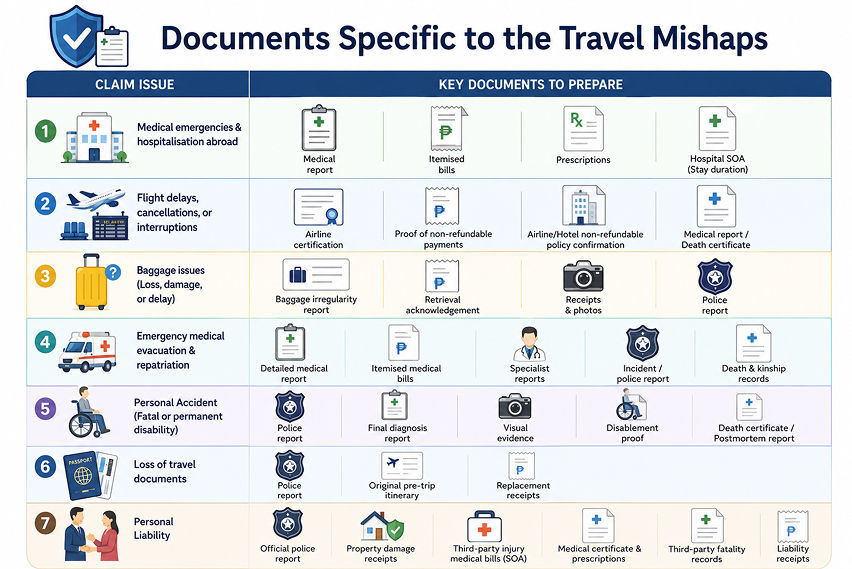
Documents specific to the travel mishaps
It is a well-known fact that insurance companies run on proof. To ensure your claim is approved smoothly, match your specific claim issue to the appropriate paperwork. Here is exactly what you need to gather based on what went wrong:
1. Medical emergencies & hospitalisation abroad
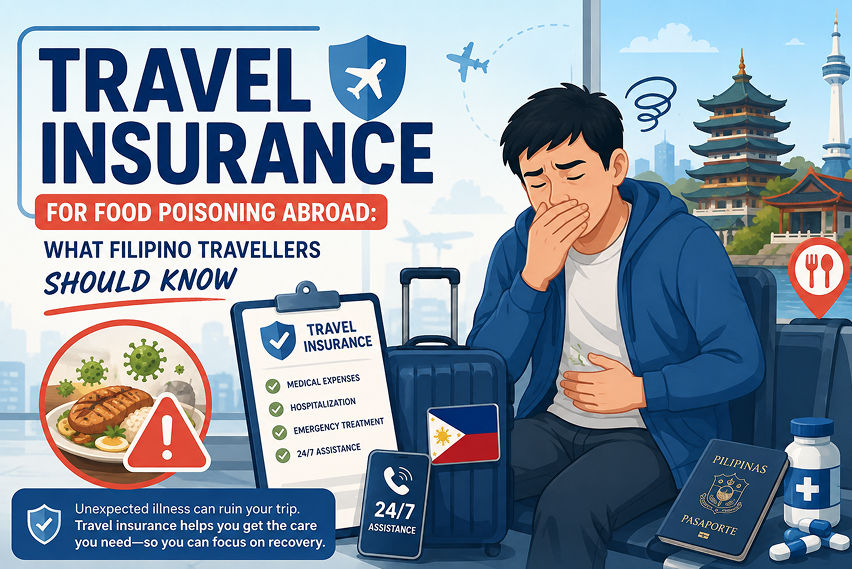
Getting sick far from home is stressful enough. When seeking treatment, remember to keep a paper trail of everything before you check out.
-
Medical report: An official medical certificate or report from the attending doctor abroad detailing your diagnosis.
Itemised bills: A copy of the original invoices and itemised hospital receipts showing exactly what treatments or medicines you paid for. -
Prescriptions: Official doctor’s prescriptions for any home medications you had to buy.
Hospital Statement of Account (SOA): If you are claiming a daily hospital allowance benefit, ensure the SOA clearly shows the exact duration of your confinement.
Also Read: Traveller's blueprint: How and when travel insurance pays for emergencies
2. Flight Delays, cancellations, or interruptions
Did bad weather pin you to an airport terminal for half a day? Or did an emergency force you to cut your trip short?
- For trip delays: Secure an official Airline Certification stating your scheduled departure time, the actual departure time, and the exact reason for the delay.
- For trip cancellations or curtailments: You will need proof of your non-refundable advance payments (such as hotel and flight bookings), along with documentation from the airline or hotel confirming their non-refundable policies. If the cancellation was because of a medical emergency or the death of a family member, you need to provide a medical report or a PSA-issued death certificate alongside proof of relationship (e.g., PSA birth or marriage certificates).
Also Read: Smart travel: Should you buy travel insurance for one trip or the whole year?
3. Baggage issues (Loss, damage, or delay)
If your bags didn't make it down the conveyor belt, don't leave the baggage claim area without reporting it.
- Baggage irregularity report: This is the holy grail of baggage claims. Secure this document immediately from your airline or carrier before leaving the airport.
- Retrieval acknowledgement: If your bags were just delayed, keep the receipt showing the exact date and time your luggage was finally delivered to you.
- Receipts and photos: If your bags were permanently lost or damaged, provide the original purchase receipts for the bags and items inside. If you no longer have them, a notarised affidavit of lost receipts detailing the brand, model, and value is typically required. For damaged items, take clear photos of the damage.
- Police report: An official copy of the police accident report, including the specific list of items stolen.
Also Read: The cost of flying unprotected: Why travel insurance is your true best friend
4. Emergency medical evacuation & repatriation
If you face a life-threatening medical situation where local facilities cannot treat you, or if mortal remains must be transported back to the Philippines, the paperwork must establish severe medical necessity.
- Detailed medical report: A copy of the original medical report from the attending doctor abroad containing a written, full diagnosis.
- Itemised medical bills: Copies of the original medical invoices, laboratory results, and itemised receipts for all amounts claimed.
- Specialist reports: If a surgery took place, a copy of the operative report and corresponding laboratory procedures.
- Incident/police report: If the medical crisis was triggered by a severe accident or physical trauma, you need a copy of the official police or incident report.
- Death & kinship records (for repatriation of remains): A copy of the death certificate (PSA-issued or foreign equivalent), official receipts for burial/cremation or transportation costs, and copies of receipts for additional family travel and accommodation.
 AI-Generated Image
Also Read: Travel insurance explained: Medical emergencies, flight delays, and lost baggage
5. Personal Accident (Fatal or permanent disability)
This benefit covers unexpected, severe accidents resulting in permanent bodily injury or death. These claims are highly time-sensitive and should always be actively coordinated through your insurer's immediate assistance team.
- Police report: An official copy of the police accident report detailing exactly how, when, and where the incident occurred.
- Final diagnosis report: A copy of the original medical report. If not, a written final diagnosis from the attending physician.
- Visual evidence: Comprehensive photos of the victim showing the full body and the disabled part(s).
- Disablement proof: A full, final medical report officially establishing the long-term degree and permanent extent of the disablement.
- For fatal cases: A copy of the PSA-issued Death Certificate, the postmortem/autopsy report, or the relevant coroner’s report.
Also Read: Falling ill while travelling? Here's how travel insurance will come to your rescue
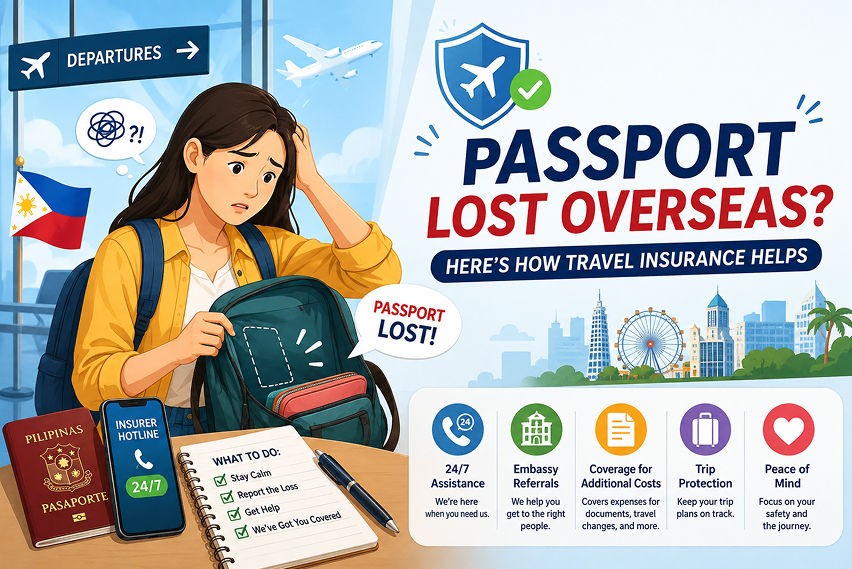
6. Loss of travel documents
Losing your passport or travel tickets abroad can make you feel completely stranded. While you work with the nearest Philippine Embassy to secure an Emergency Travel Document, ensure you gather these items for your claim:
- Police report: A copy of the original police report filed in the locality where your documents were lost or stolen. Note: This must typically be filed within 24 hours of discovering the loss.
- Original pre-trip itinerary: A copy of your original flight itinerary issued by your travel agency or airline before the start of the trip (required if you are claiming for lost physical travel tickets).
- Replacement receipts: Copies of the original official receipts for the exact additional costs you incurred to replace your lost passport or travel documents (e.g., embassy fees, emergency travel document fees, or mandatory local transport to the embassy).
Also Read: Travel insurance FAQs for 2026: Everything travellers most commonly ask
7. Personal Liability
Did you accidentally damage someone else's property or cause bodily injury while on vacation? Personal liability coverage protects you from paying those damages out of pocket, provided you have the right legal and medical proof.
- Official police report: A copy of the original police report documenting the third-party incident.
- For property damage: Clear copies of all original and official receipts of payment made necessary to repair or replace the third party's damaged or lost property.
- For third-party bodily injuries:
> Copies of the original foreign hospital bills and Statement of Account (SOA).
> Official receipts for medical expenses incurred by the injured person.
> The injured party's Medical Certificate and doctor's prescriptions. - For third-party fatalities: a copy of the PSA or a foreign-issued Death Certificate, an autopsy report (if legally required), and copies of the original official receipts incurred for the liability.
Also Read: Travel insurance FAQs for 2026: Everything travellers most commonly ask
Step-by-step guide: How to file your travel insurance claim
When a mishap occurs, time is of the essence. Most Philippine insurers require you to file your claim within 30 days of the incident. Follow the steps below to ensure you stay on track:
1. Notify and coordinate: Do this immediately during an emergency. If it's a medical emergency or evacuation, call your insurer's 24/7 global emergency hotline right away. They can often arrange direct billing with hospitals so you don't have to pay massive amounts out-of-pocket.
2. Gather evidence: Don't leave without your paperwork. Before leaving the airport, hospital, or police station, ensure you have all necessary certifications, receipts, police reports, and official statements in hand. Getting these, whether digitally or physically, while abroad is infinitely easier than requesting them once you're back in the Philippines.
3. Fill out the claim: After filling out the form, make sure to double-check each and every field. Download your provider's official travel insurance claim form. Fill the form completely, be specific about dates, times, and descriptions of how the incident occurred. Incomplete forms are the primary reason for delayed claim processing.
4. Digital submission: Do keep digital copies for yourself. Scan all the documents and submit them to the dedicated claims email address provided by your insurer. Make sure to keep the original hard copies safe, as claims teams occasionally request them for verification.
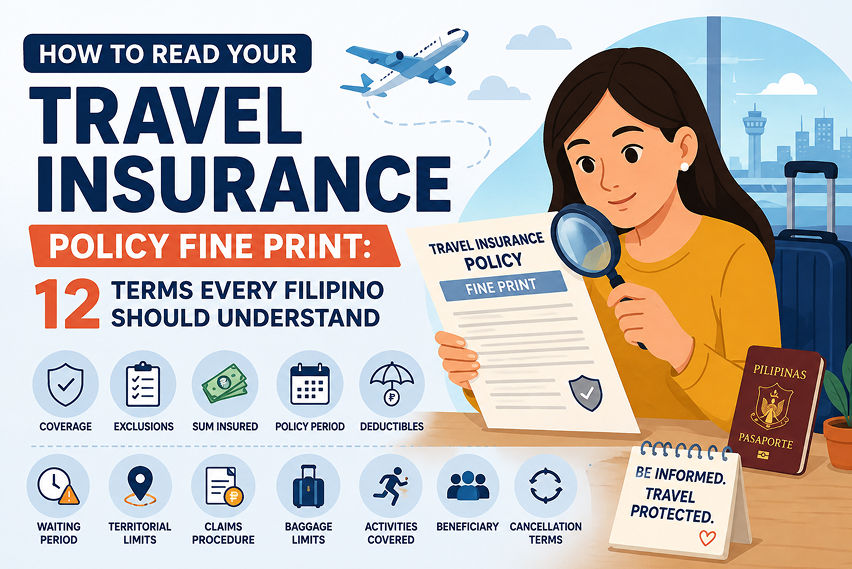
Also Read: Decoding the fine print: A Pinoy guide to travel insurance policies
A final word on seamless travel
It is important to get this straight: travel insurance isn’t just another checklist item for your visa application. Rather, it’s your financial safety net when things go bad on the vacation.
While we all hope for a picture-perfect vacation with our family/friends, being prepared makes all the difference. By keeping your documents organised, reporting incidents immediately, and understanding what your policy needs. Do so, and this will transform a potentially chaotic travel disaster into a manageable bump in the road.
Also Read: The ultimate guide to buying travel insurance online: What every Filipino traveller needs to know
FAQs
Q1: What is the deadline for filing a travel insurance claim in the Philippines?
Ans. Generally, you must report the incident and file your claim within 30 days of the date the loss or mishap occurred. Waiting too long can give insurers valid grounds to deny your claim.
Q2: What happens if I lose my original receipts for items in my lost luggage?
Ans. If you don't have the original purchase receipts for your lost bags or high-value items, you can usually submit a Notarised Affidavit of Lost Receipt. Make sure to clearly specify the purchase date, brand, model, and item type in the document.
Q3: Can I file a travel insurance claim if my flight delay was less than 6 hours?
Ans. Most travel insurance policies have a minimum delay threshold, usually starting around 6 consecutive hours, before benefits kick in. Check your specific policy terms to see the minimum hours required for a valid trip delay claim.
Q4: If I get sick during my trip, can I just go to any clinic and claim it later?
Ans. Yes, you can seek treatment from a qualified medical practitioner. Still, you must pay out of pocket and keep all official medical reports, prescriptions, and itemised receipts to file for reimbursement. For major emergencies or hospitalisation, it is highly recommended to call your insurer’s 24/7 hotline immediately so they can guide you or assist with hospital coordination.
Q5: Is it illegal to exaggerate a claim or submit altered receipts?
Ans. Absolutely. Under Section 251 of the Philippine Insurance Code, presenting a fraudulent claim or fabricating supporting documents is strictly unlawful. Doing so will not only get your claim permanently denied but can also make you liable for heavy fines, up to two years of imprisonment, or both.
Also Read: The smart traveller’s blueprint: How to choose the perfect travel insurance policy